
There are enough sights to see to occupy one or two days out, either braving the local buses or in the comfort of a car. I love exploring this north coast which is gradually rebuilding since the end of the war. The atmosphere and countryside is so different from lands in the western and southern provinces. So working our way from east to west we start with:-
Point Pedro
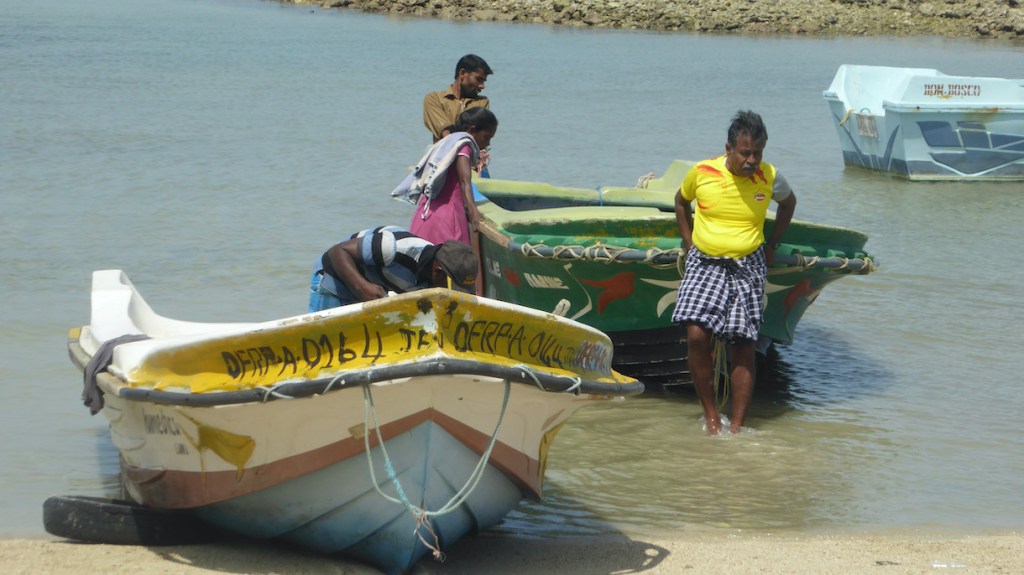
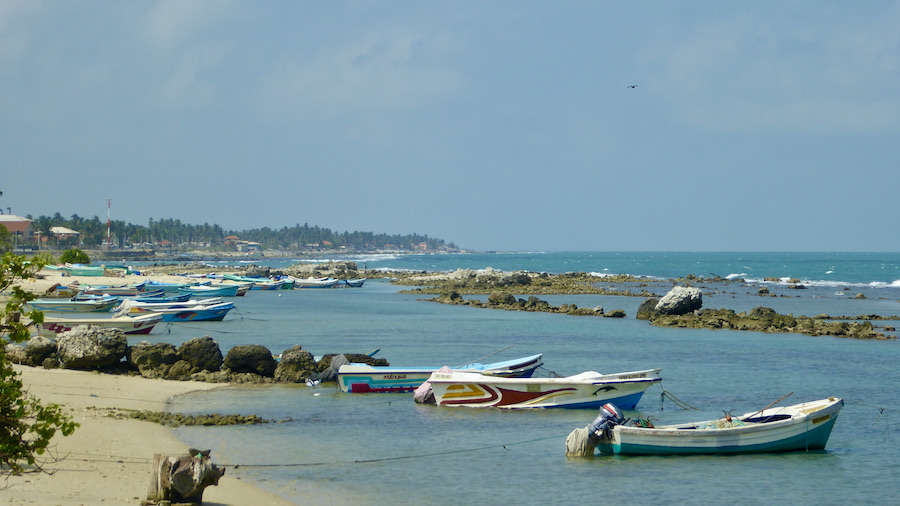
Plenty of buses race to and fro on this route from Jaffna town to Point Pedro the northernmost town in Sri Lanka. The second largest town on the peninsular it is a bustling little fishing port.
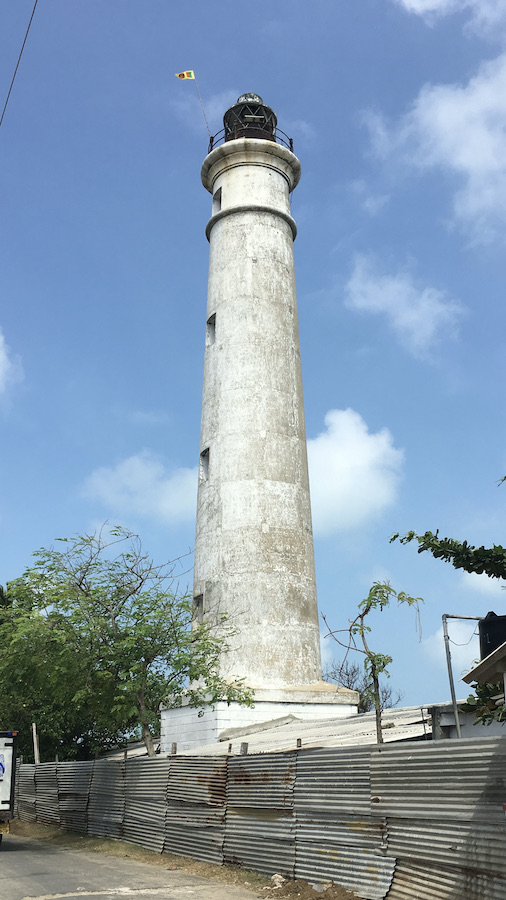
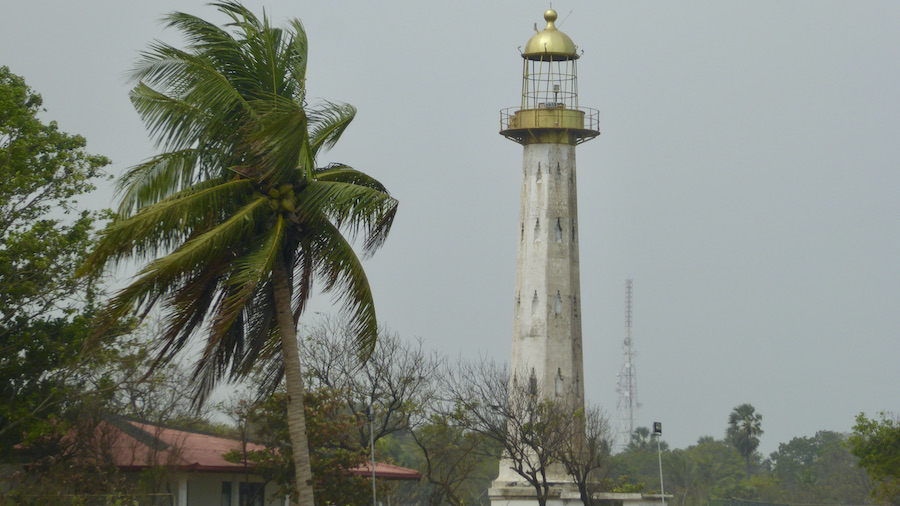
Once known as Paruthithurai which means ‘Cotton Harbour’, in days gone by it was an important centre of cotton production and export to India. Legend has it that a 20-25 kilometre tunnel built in the 10th century links Point Pedro with Nallur. A local challenge is to swim the 54 kilometres across the Palk Strait to India, a feat last achieved in 2021. At the eastern end of town is the 32 metre high Point Pedro lighthouse built by the British in 1916.
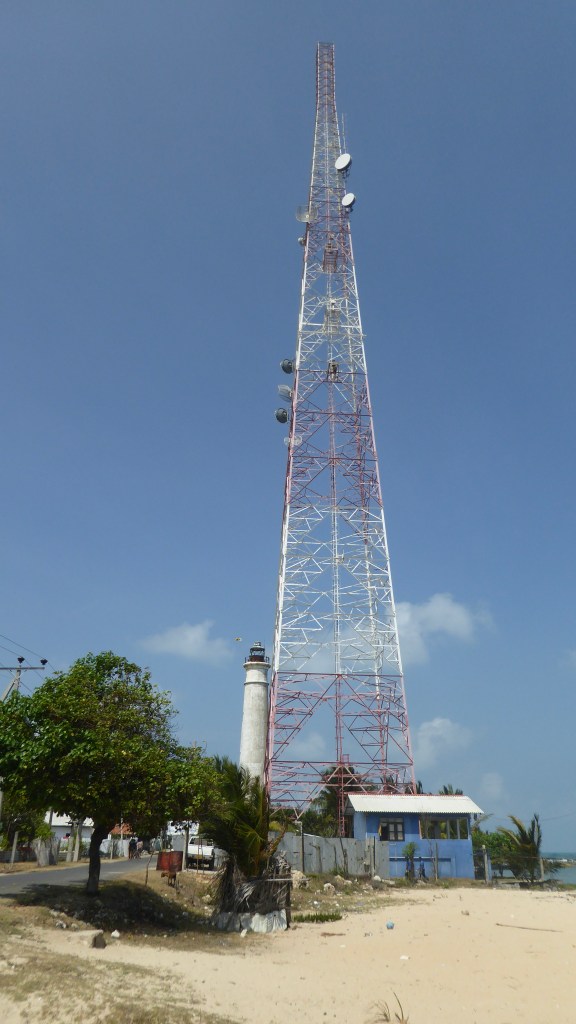
Now dwarfed by a Sri Lanka Navy communications tower. The busy fishing harbour and long sandy beach make the town a pleasant place to dawdle for a while. A little further west of the lighthouse is Sakottai Point the most northerly part of the island.
Valvettithurai
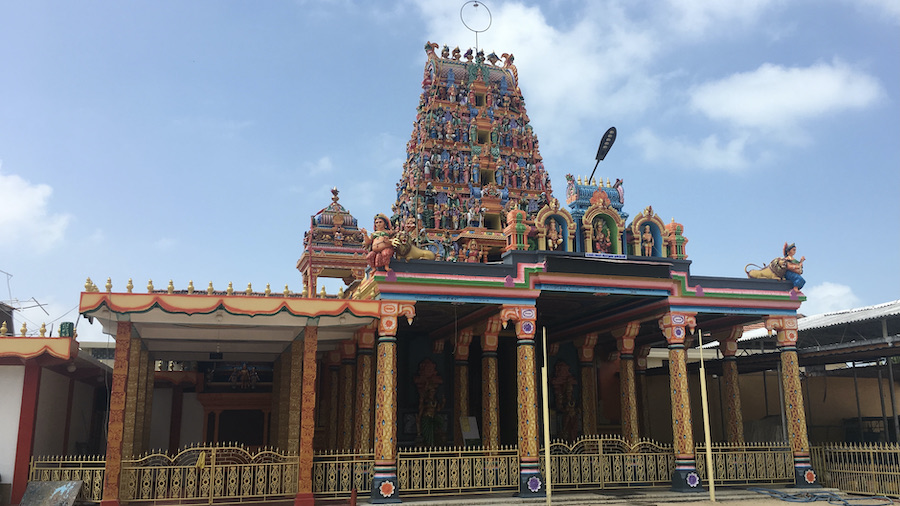
An ancient harbour town 8 kilometres west of Point Pedro. It was the birthplace of the LTTE (Liberation Tigers of Tamil Eelam) founder and leader Velupillai Prabhakaran, his childhood home has been destroyed. The Shiva temple has been restored and is open to visitors
Kankesanthurai
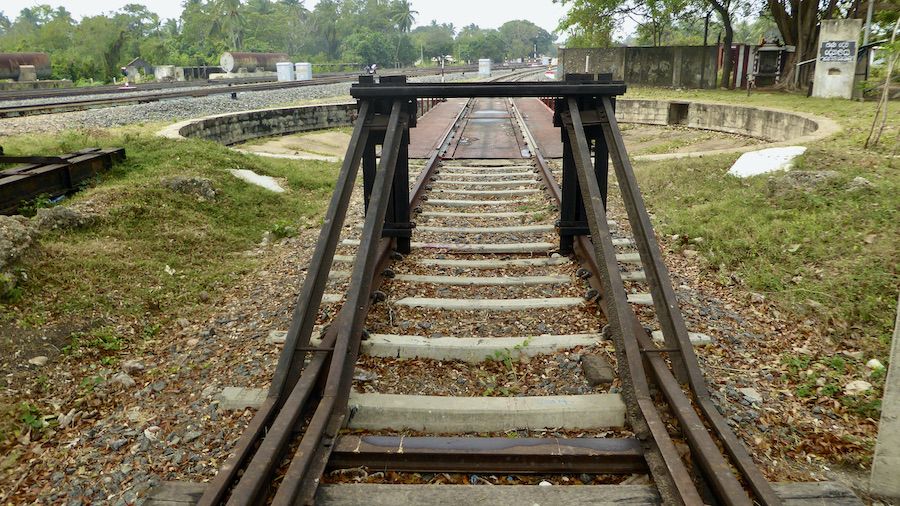
Locally known as KKS, this is the extreme northern end of the railway. At the back of the beach stands another British lighthouse, this octagonal tower was built in 1893 it stands 22 metres high.
KKS has a beautiful sandy beach. The harbour is being developed to help trade and to allow for a ferry service between India and Sri Lanka.
Keerimalai
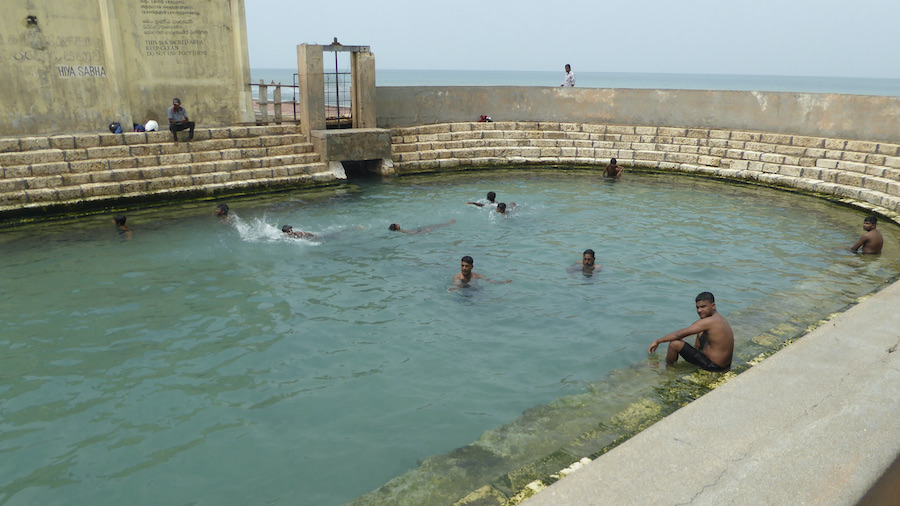
A natural freshwater spring feeds into two bathing pools, one for men the other for women. The water is reputed to have curative powers, I declined the opportunity to put it to the test.
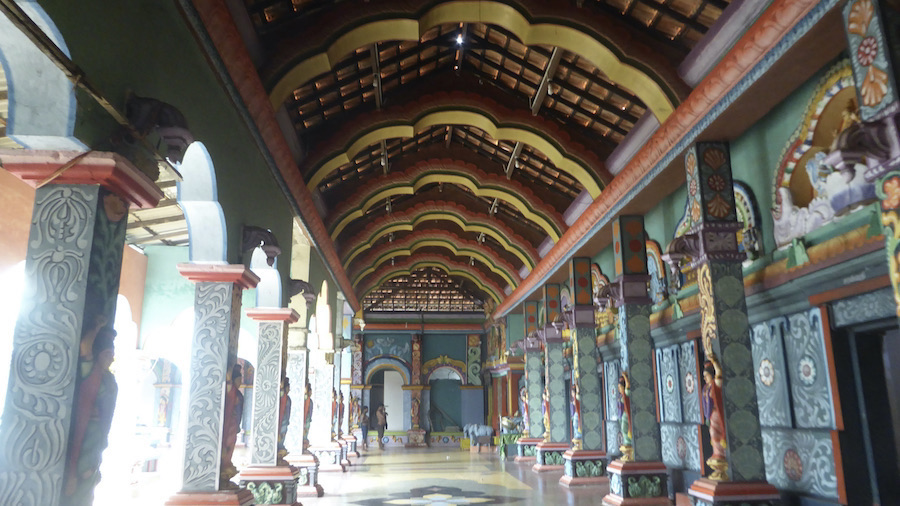
Adjacent to the pools is the massive Naguleswaram Temple. Reputed to be one of the five Shiva shrines in Sri Lank in pre Buddhist times. The current temple is at least the fourth to be built on the site and was formally opened in 2012 and is once again an important pilgrimage site.
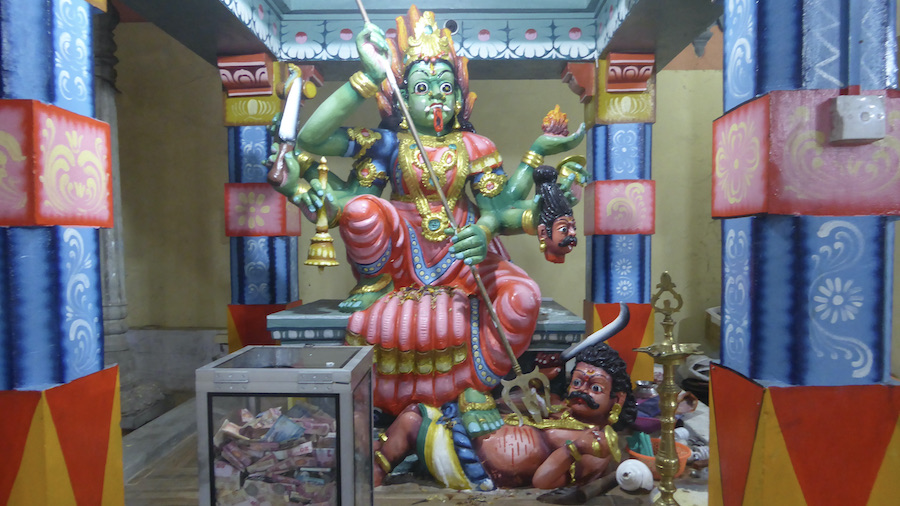
Naguleswaram and Keerimalai are the Sanskrit and Tamil words for mongoose. There is a legend that an old, sage with wizened, mongoose-like features was so grateful for being cured of his repellent features after bathing in the waters that he founded the Shrine.
Dambakola Patuna
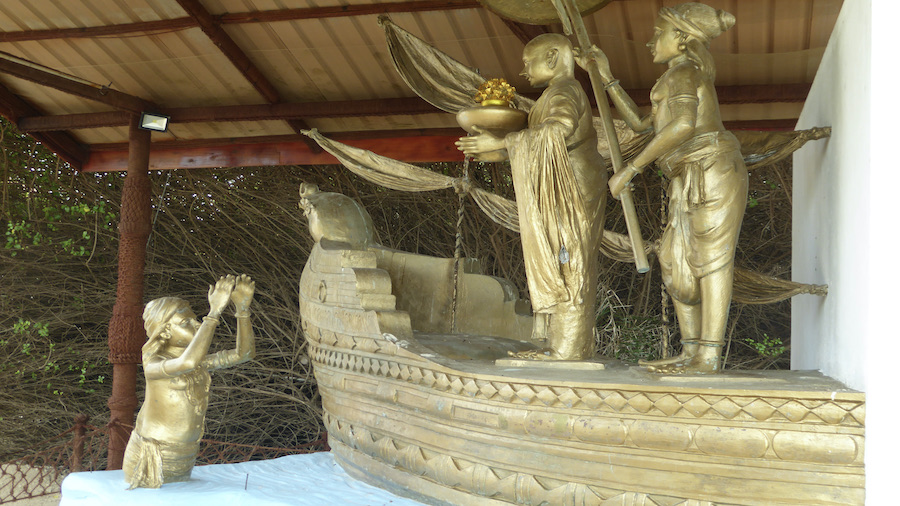
I am not sure if there are any buses that go here but as it is only 9 kilometres west from Keerimalai you can take a tuktuk if you don’t have a car. This is a site of great historical significance to Sri Lankan Buddhists. In 249 BC Princess Sangamitta, daughter of King Ashoka of India, arrived here by boat carrying a sapling of the Sacred Bo tree under which the Buddha achieved enlightenment . A temple was built commemorating the event by the king. The sapling was planted in Anuradhapura to become the sacred Jaya Sri Maha Bodhi. It is said that all the Bo trees on the island originate from this tree.
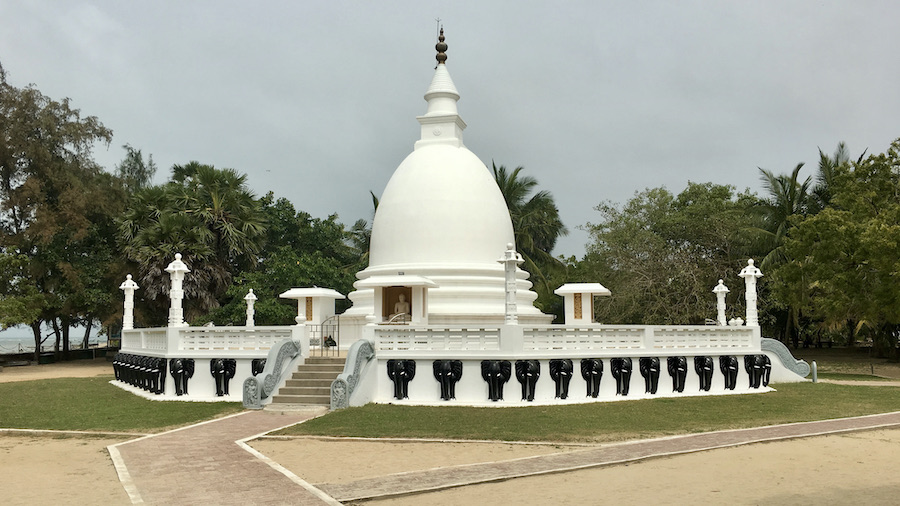
There is nothing left of the ancient temple, the current buildings including the stupa were built by the Sri Lanka Navy in 65 days. Murals have been painted on the walls inside the temple to tell the story of the of the Bo tree’s journey from Bodh Gaya in India to Anuradhapura, including one of King Devanampiya Tissa wading out into the sea to welcome Sangamitta and her precious gift. The Navy also planted the current Bo tree there in 1988
 Janet's Journal
Leave a reply to Martyn Cancel reply