
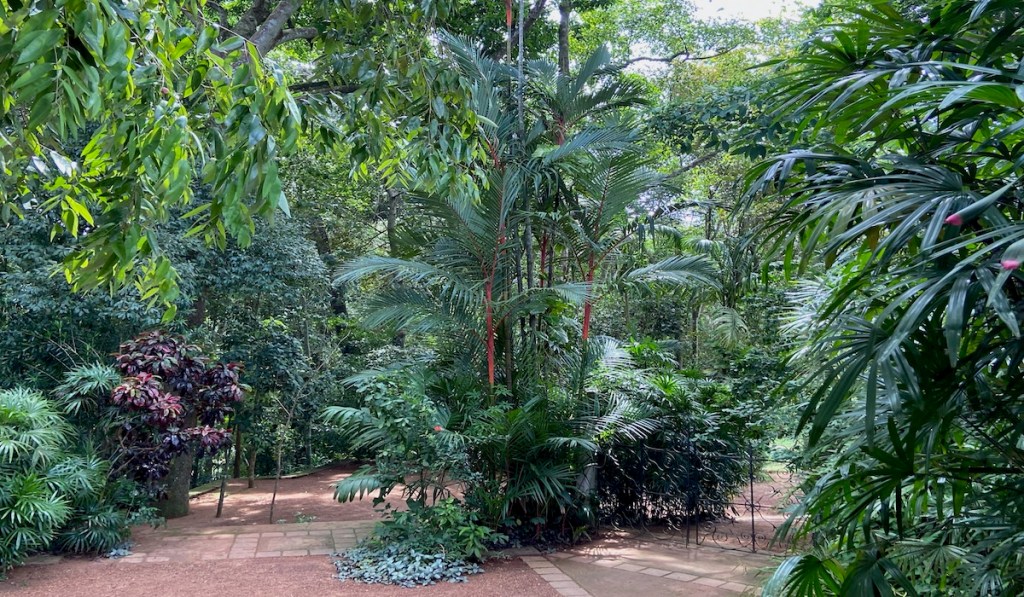

Located on a promontory in the Dedduwa Lake just over two kilometres from Bentota is the 15 acre country estate of Geoffrey Bawa, the celebrated Sri Lankan architect.
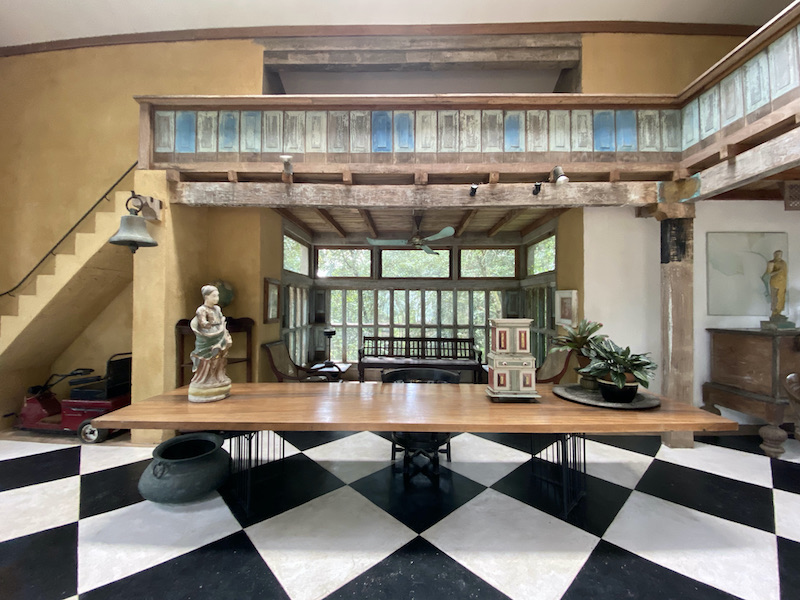
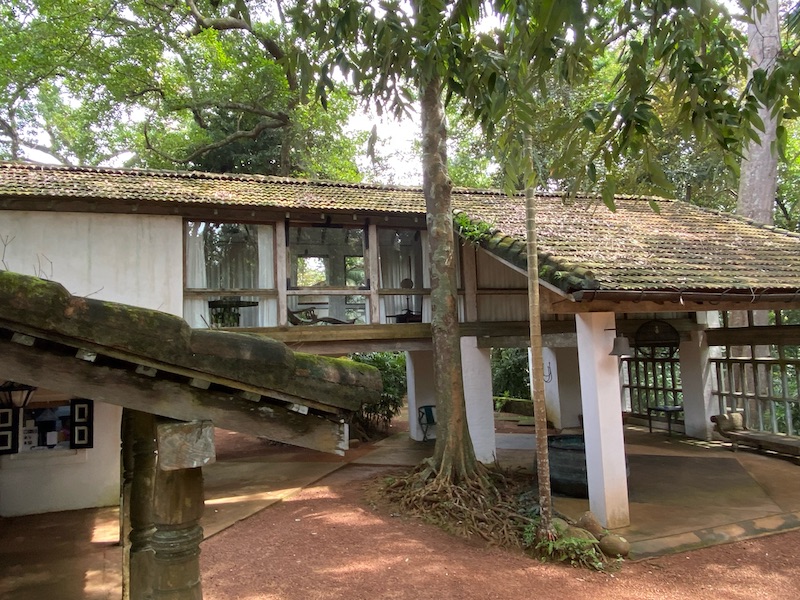
First a cinnamon estate during the Dutch era it became a rubber plantation under the British then it was bought in 1949 by Bawa as a weekend retreat. He renamed it Lunugana, literally Salt River in Sinhala. Inspired by his brother Bevis Bawa, the landscaper and artist, Geoffrey set about developing the run down estate. Over the next forty years hills were removed or relocated, ponds dug and terraces built. The estate bungalow was transformed into a weekend house and various outbuildings added as cowsheds, chicken houses and hidden chalets.
Italian Renaissance, English landscape, blend seamlessly with ancient Sri Lankan water garden themes. Classical Greco/Roman statues elegantly pose while bacchanalian grotesque sculptures peep out of the undergrowth.
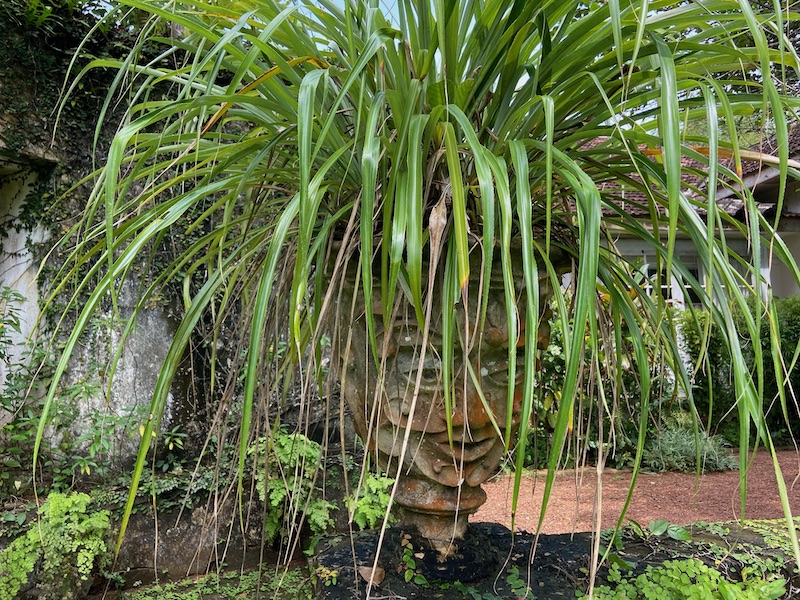
Asian and European artifacts are carefully placed around the gardens and in the house, including works by Donald Friend and Laki Senanayake. Careful planting of native trees and shrubs enhance the landscape at every turn
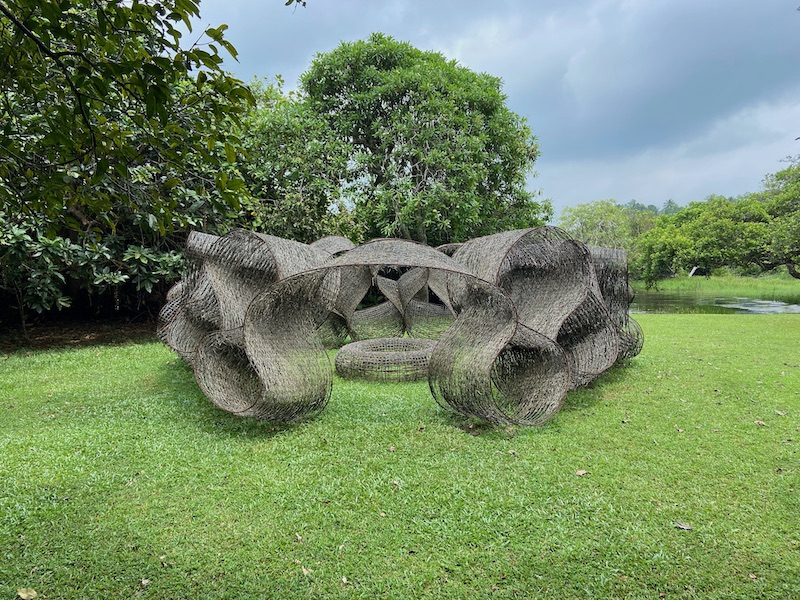
Carefully designed so that you arrive in the centre you then have a choice of which direction to explore. To the south you look across a lawn, across a haha then up to the top of Cinnamon Hill.
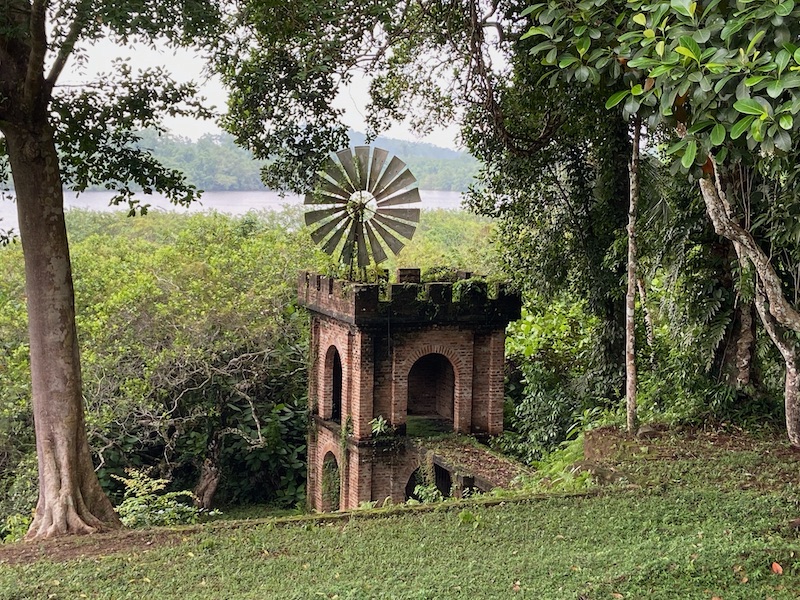
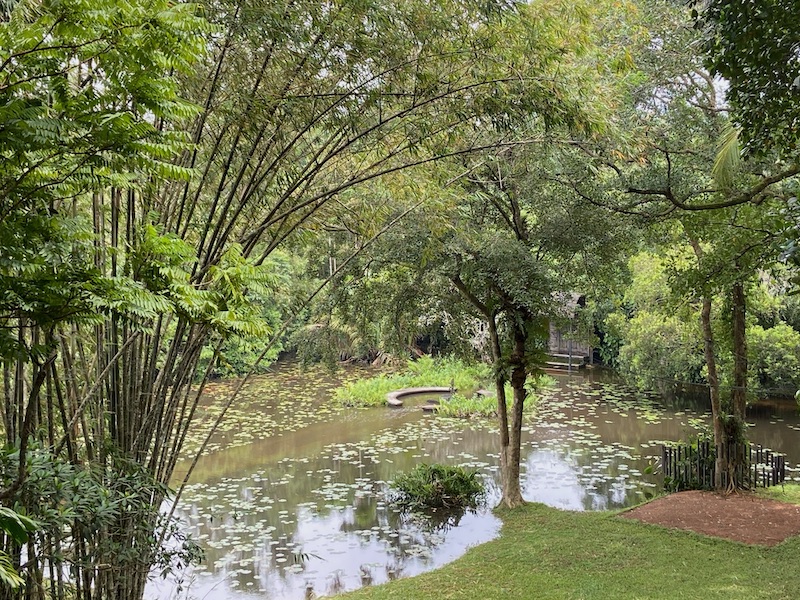
From the top of the three level terraces you look across the water gardens, rice paddy and the lake to the island and finally the distant hills. Lotus pools lead to the Black Pavilion, now sadly fallen in disrepair.
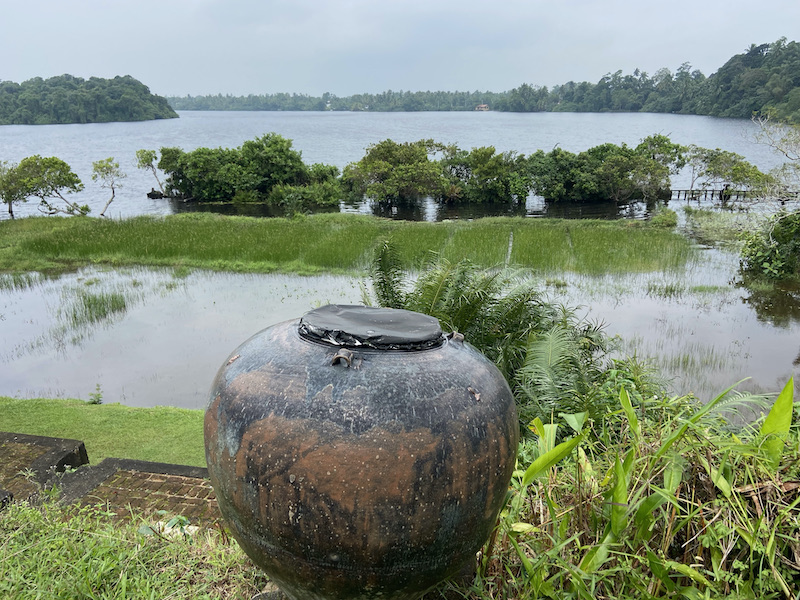
Further along you come across an idyllic English landscape with cows peacefully grazing. A well cover has a bell attached to summon servants to bring refreshments.
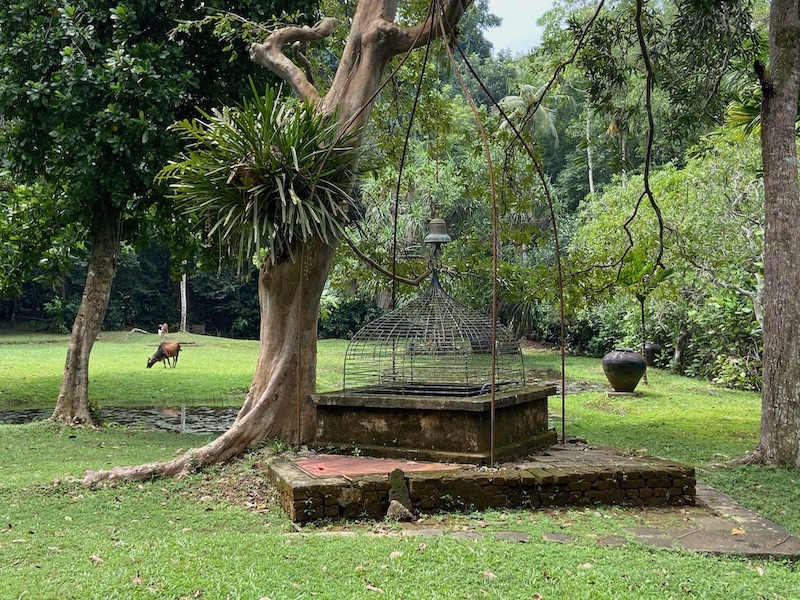
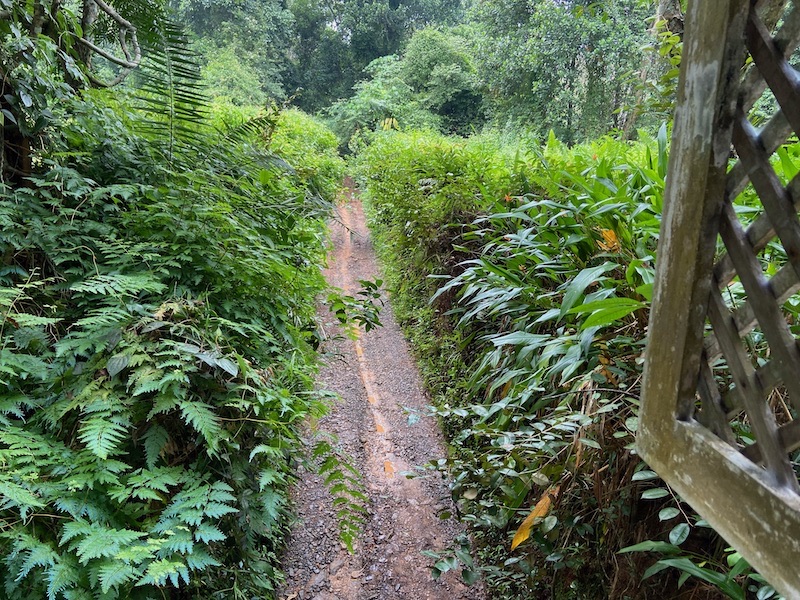
At the north east end of Cinnamon Hill Bawa had the land excavated so that the village road dropped out of his line of site, going under a bridge to re-emerge and continue the other side.
Bawa died in 2003, he was cremated, and his ashes buried in an unmarked grave on Cinnamon Hill, nearby lie the ashes of his beloved nanny. The estate has been managed by the Lunuganga Trust since then. The gardens are open to the public for guided tours and the buildings converted into a country house hotel.
 Janet's Journal
Leave a reply to yogababef17426af2c Cancel reply