
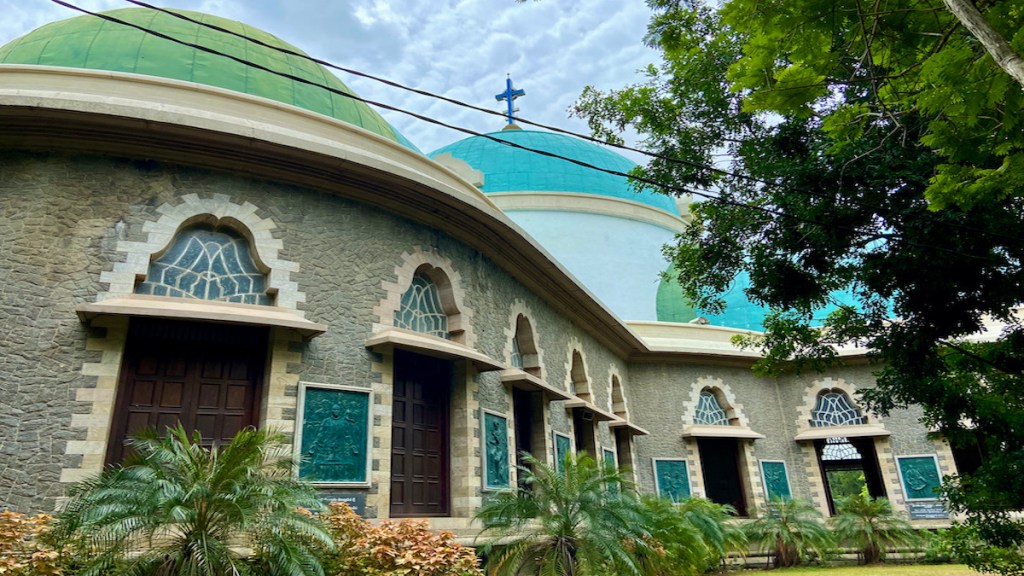
“If Sri Lanka is saved from the horrors of the World War, I will build a Basilica in honour of our Blessed Mother” so vowed Archbishop Jean-Marie Masson in 1940.

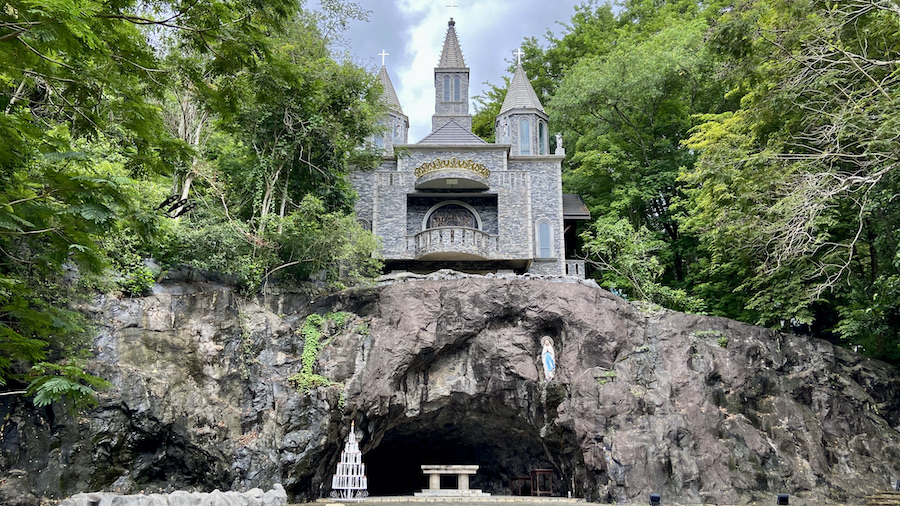
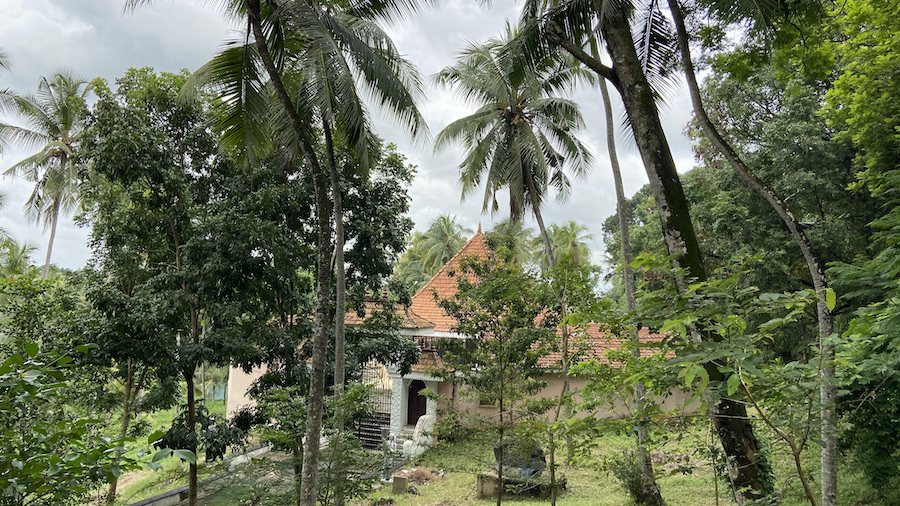
The first tiny chapel of Our Lady of Lanka was built on this site in 1911 and dedicated to Our Lady of Lourdes. In 1917 a grotto was added increasing the popularity, with local Hindus and Buddhists attending services, resulting in the chapel being expanded into a church in the 1930s.
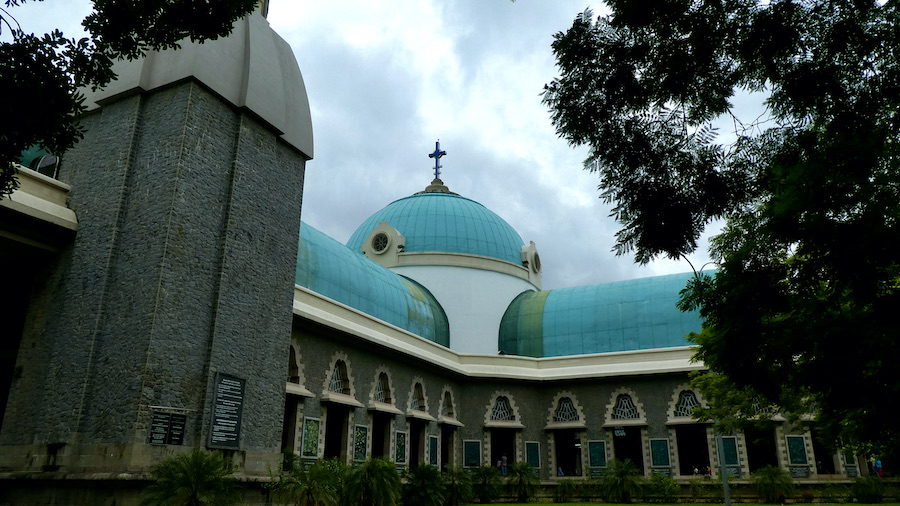
Archbishop Masson knew that Ceylon, as it was then, was in the centre of the world and if any of the major powers decided to use the island it would potentially bring terrible destruction to the island and its people. His prayers for the safety of the island were answered and in 1946 he obtained approval from Pope Pius XII to build a basilica in honour of Our Lady of Lanka
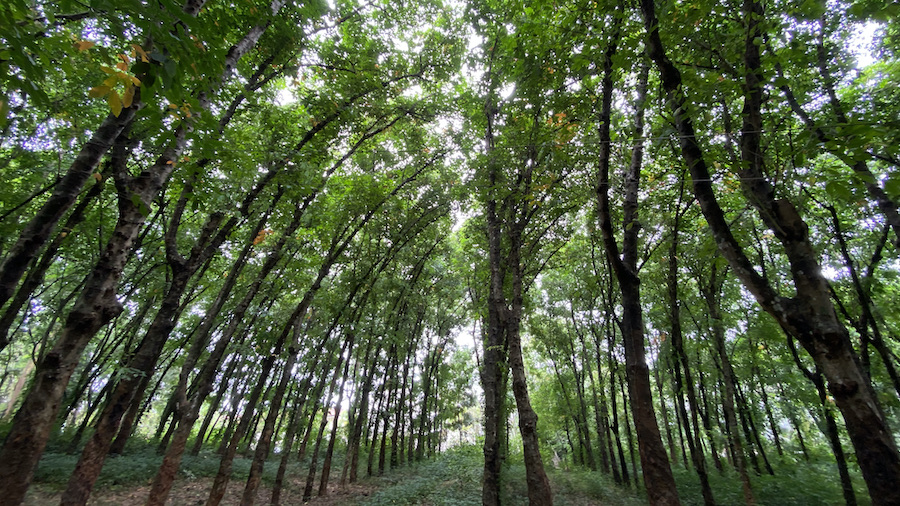
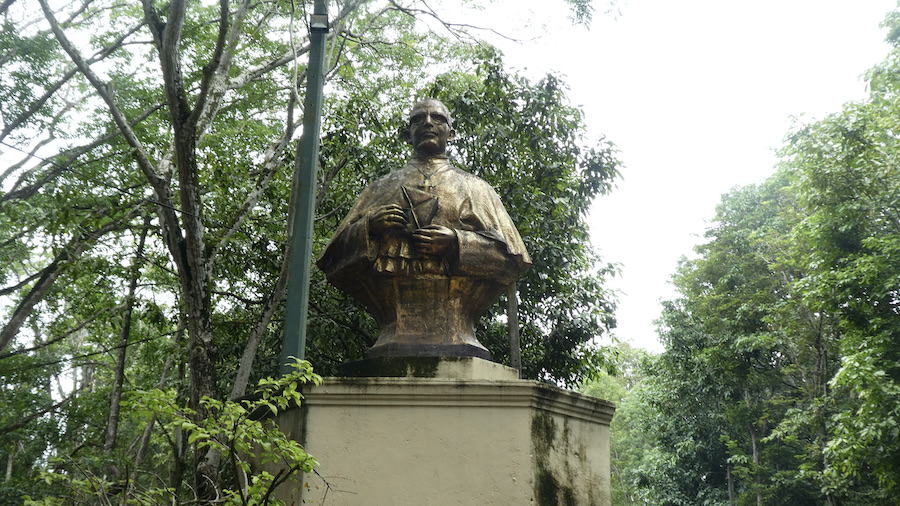
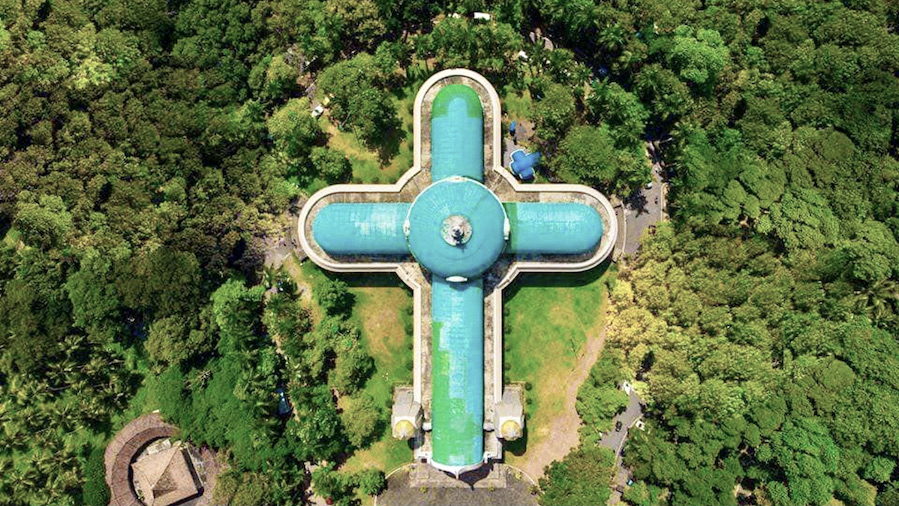
With the death of Masson the following year it fell to Archbishop Thomas Cooray to ensure the vision was realised. He acquired a nearby rubber estate thereby giving a vast amount of land to the project. The basilica was built and many trees, such as neem and Sri Lanka’s national tree, ironwood, were planted to give shade for pilgrims to rest under.
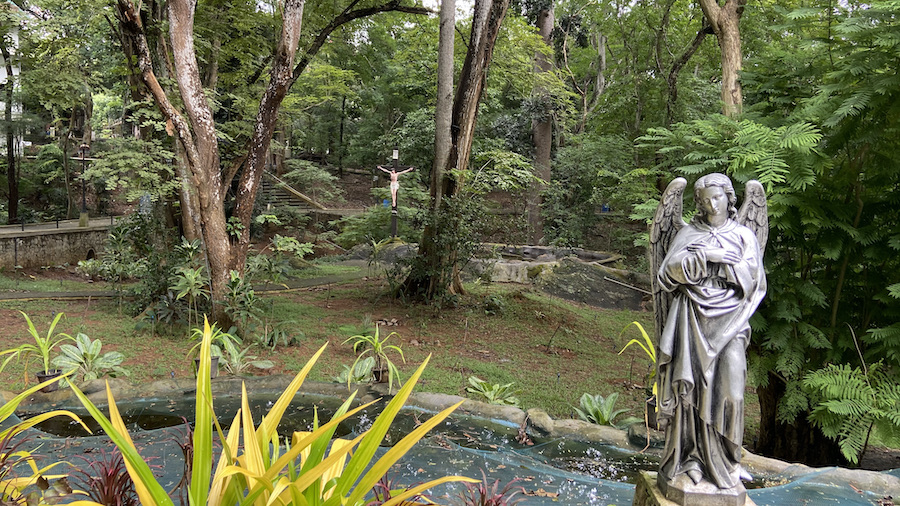
The cornerstone was laid in 1950 but completion wasn’t until twenty four years later. In 1974 all the Bishops of Sri Lanka attended the consecration of the basilica and crowning of the statue of Our Lady of Lanka. As the National Basilica of Sri Lanka, it receives tens of thousands of pilgrims annually.
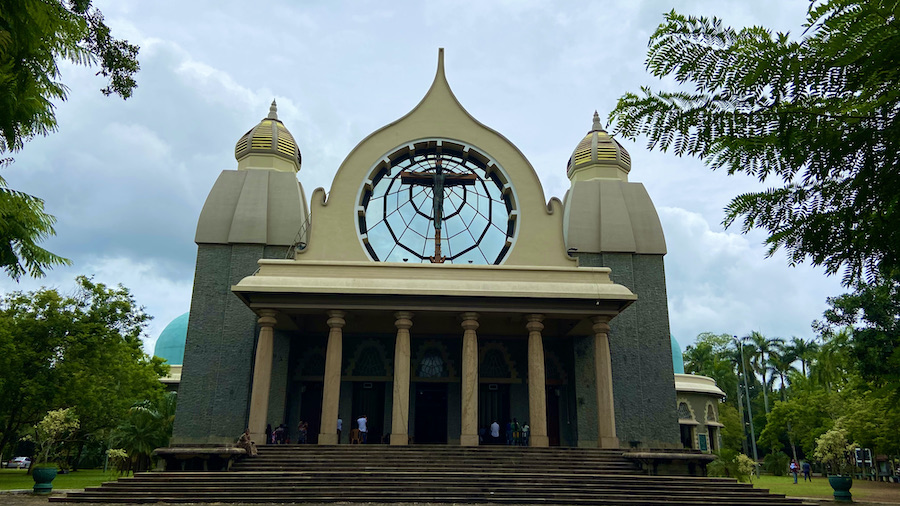
The front porch of the basilica is supported by six Grecian looking pillars, to commemorate the number of dioceses in Sri Lanka during the Second World War. The bronze figure of Christ was sculpted by the Sri Lankan artist, Leila Peiris. It was made with a resemblance of Christ’s face on the shroud of Turin, as per the insistence of the Cardinal.
Inside, the beautiful blue apse forms a backdrop for the life-sized statue of Our Lady of Lanka. Cardinal Cooray is buried in the crypt.
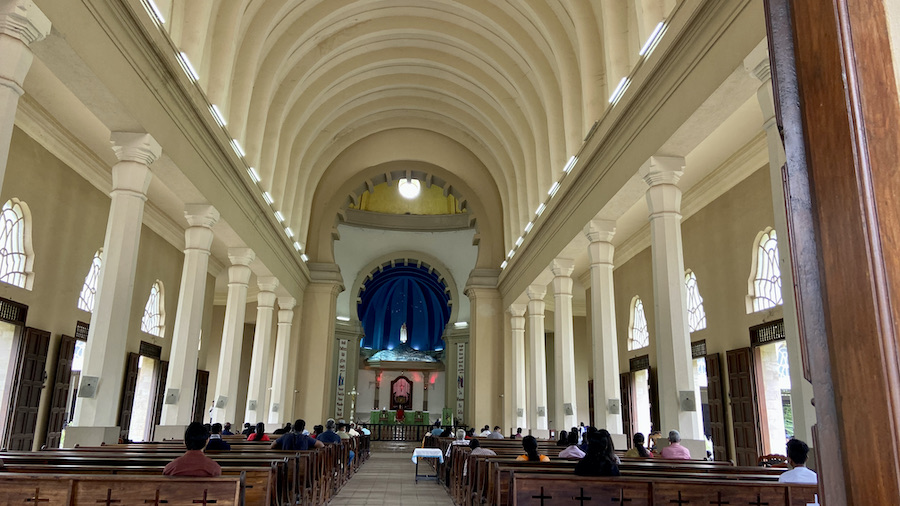
Many thousands of pilgrims and their families attend services in Sinhala, Tamil and English. Then wander round the grottos and statues, old and new chapels, bathing pool and a museum.
There is a canteen selling snacks, hot and cold drinks. Groups of friends and families choose also to picnic in the large grounds, relaxing under the leafy canopy.
The Basilica is just outside Ragama, a 40 minute drive from Colombo or 45 minutes from Negombo
 Janet's Journal
Leave a reply to Martyn Cancel reply