
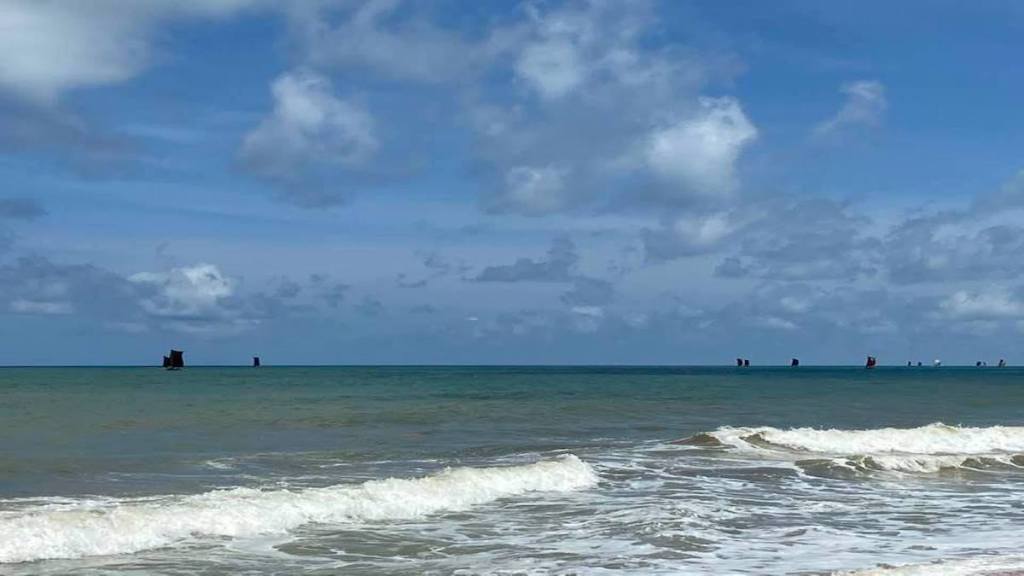
Negombo is one of the best locations in Sri Lanka to go game or deep sea fishing on vacation but for a large number of the local people it provides jobs, income and is a way of life. Skills are handed down through the generations and years of experience on the water.
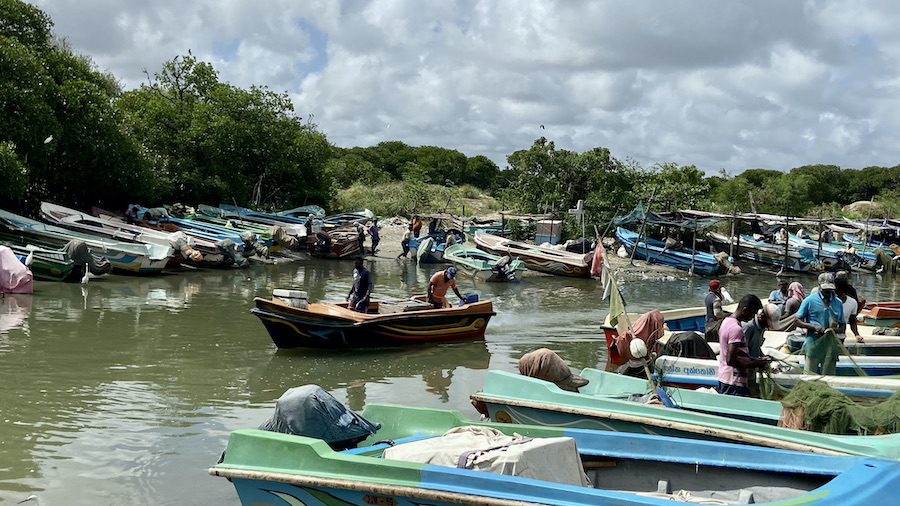
Fishing plays a key role in Negombo’s social & economic life, providing more employment than any other industry. Many people work in fishery related industries such as boat building, net manufacture, ice production, processing, trading, marketing and transport.

Some fishermen have also diversified and offer opportunities for recreational fishing trips or boat rides round the harbour and lagoon.
Much of the fish caught is consumed locally in homes, restaurants and hotels, as well as being distributed round the island. Much of the high value fish caught, for example, tuna, lobster, crabs and prawns is exported.
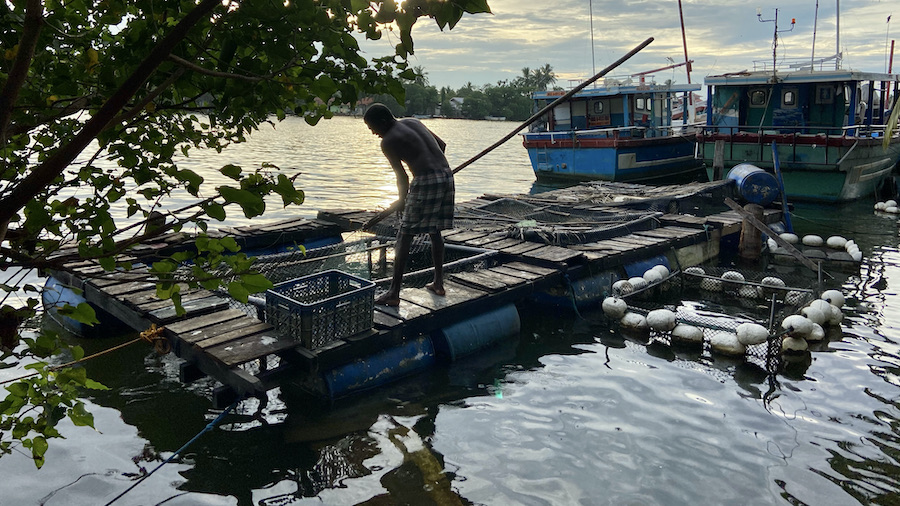
With Negombo’s rich mix of cultures and religions fish is acceptable to most and therefore always in great demand as an important source of animal protein.
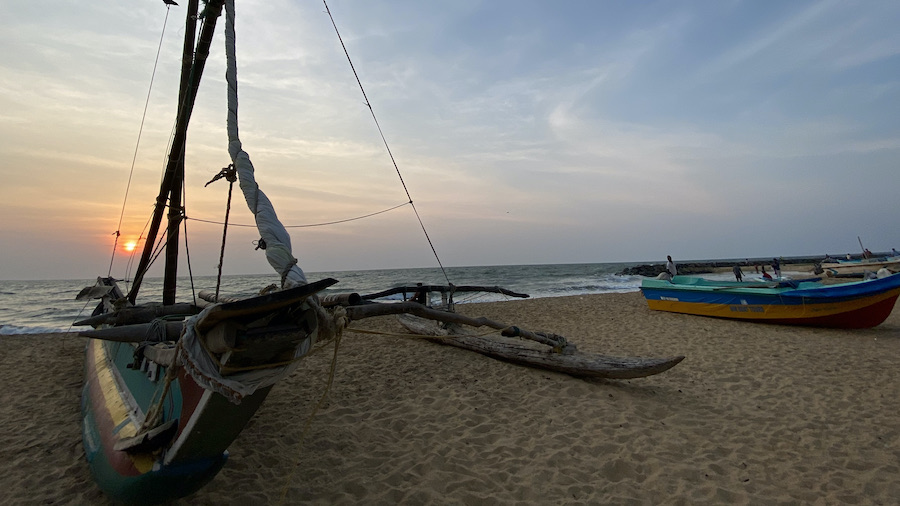
There is a wide range of craft used depending on the type of fishing.
The many picturesque, traditional outrigger catamarans fishing for prawns are a familiar sight from the beach. Carved from mango wood and bamboo trunks they have large, square brown or cream coloured sails.

There are also small one man catamarans powered by outboard motors who fish inshore for small prawns, many of which are sold for bait.
Then there are the 18 or 25ft motorised boats, made from fibreglass reinforced plastic these are used for both line and net fishing.
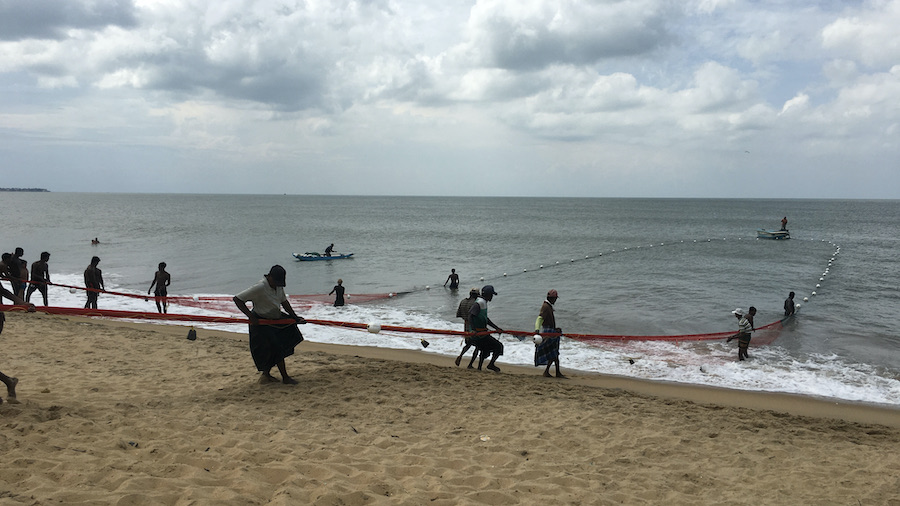
Some launch off the beach and drop long net which is then hauled in by teams of fisherfolk until they land the catch on the beach. A small crowd of tourists as well as local folk watch in anticipation of a good catch.
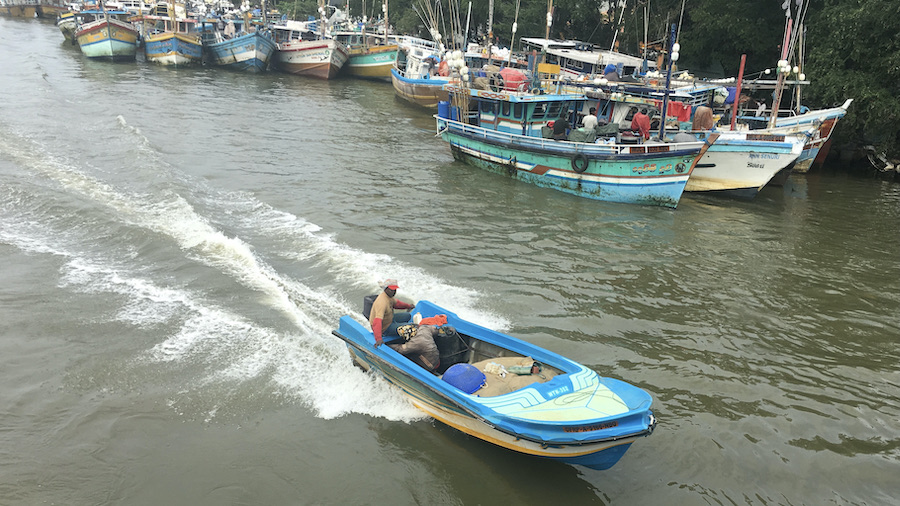
Other boats in this class head out to sea from the harbour to either net or line fish.
Finally, there is the huge fleet of 60ft multi day boats with crew quarters, these boats travel long distances to catch the deep sea fish. Often these boats and their crews are away for anything up to one month
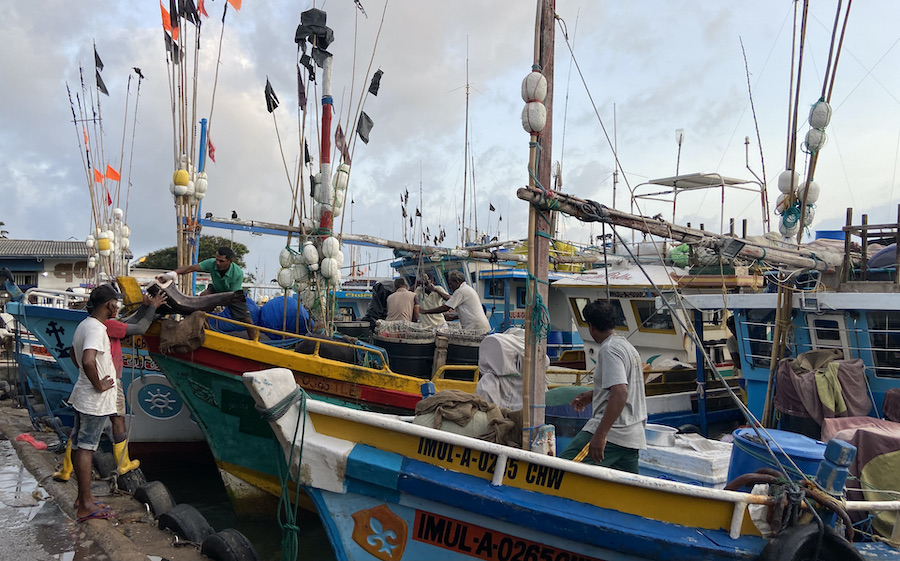
A smaller fleet of larger boats go even further across the ocean and can be away for three months at a time.

Many fishermen live lagoon side in the villages of Pitipana, Munnakkara and Duwa. A long stretch of the canal in town is also lined with fishermen’s homes and their boats are moored alongside.
 Janet's Journal
Leave a reply to Nafis Hamim Kabbo Cancel reply