
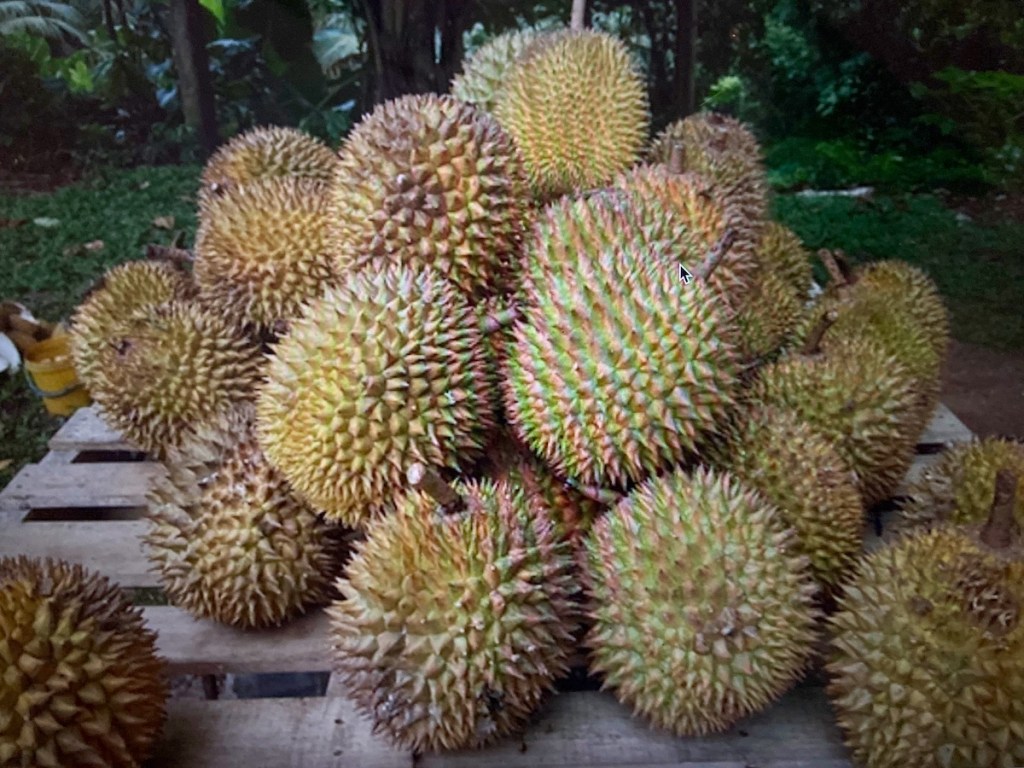
Durian, the king of fruits, is probably the smelliest fruit in the world. You either love or hate it but you can’t be indifferent. I was persuaded to try one and instantly addicted to this unique fruit.
The lingering odour can be detected from several yards away and attempts to describe the reeking fruit have included; putrid flesh, smelly gym socks, or raw sewage. If you have never tried it and you are adventurous with food, it is definitely worth giving it a try, the taste and texture of the fruit is truly sublime.

The trees grow in the moist, tropical areas of South East Asia and can reach a height 50 metres. The clusters of flowers bloom on branches or directly from the trunk, their heavy scent attracts the bats which pollinate them. Three or four months later the huge fruits weighing up to two kilogrammes are ready.

They look a bit like giant horse chestnuts with their hard, thick spiky shell. When the fruits are ripe the pungent aroma attracts animals small and large, but even elephants keep a respectful distance waiting for the fruits to crash to the ground. Folk tales say the trees have eyes and take care to only drop their fruit at night to avoid harming anyone underneath.

If the shell hasn’t cracked on falling it requires a hefty blow from a large knife to open it up. Then the five compartments of deliciously soft, silky, custard like flesh can be pulled out and savoured. The flavours have been described as sweet, vanilla, and almond.
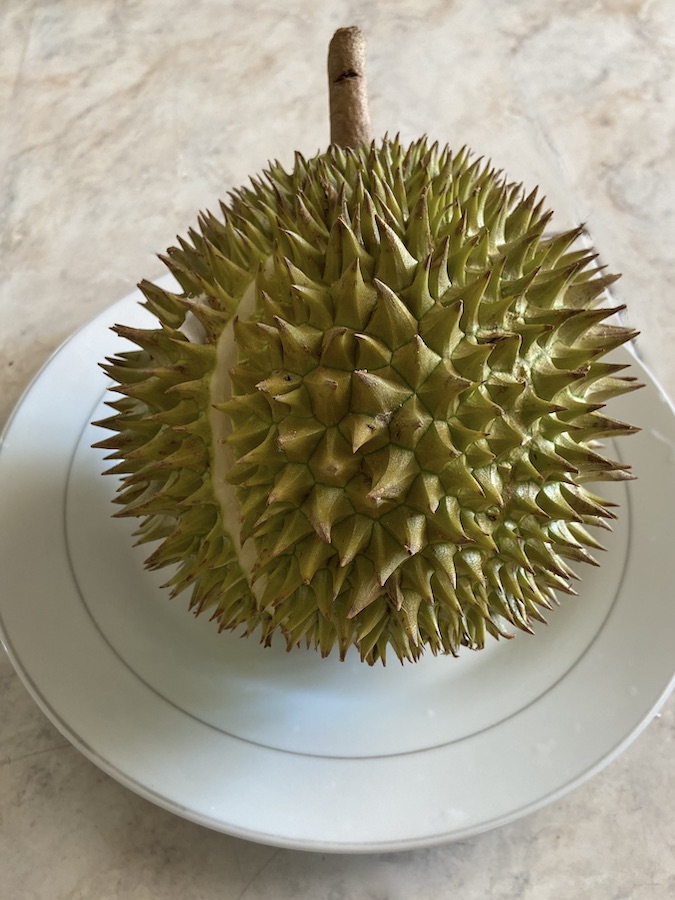
The fruiting season is very short, only between June and August, this combined with a very short shelf life of a ripe fruit means that they are quite expensive to buy. They need to be eaten quickly before the smell becomes overpowering
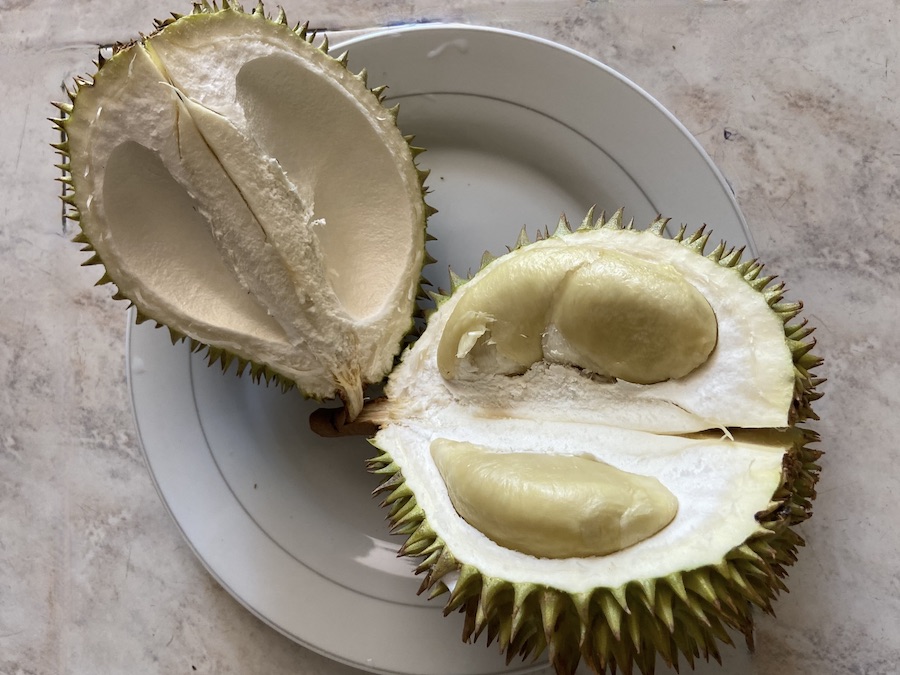
Durian have many health benefits as they are very high in nutrients providing fibre, protein, vitamins and minerals as well as antioxidants. The large seeds can be cooked and eaten, all parts of the tree are used in folk medicine.
I have tried durian ice cream, very smelly but a wonderful creamy texture and flavour. Dried durian and durian chocolate are available in some areas
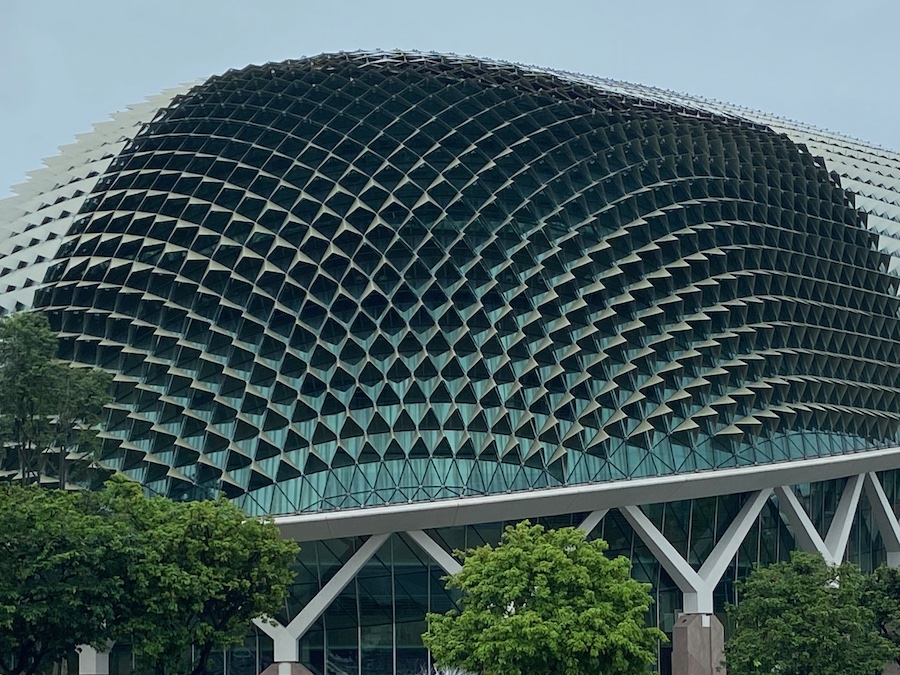
In Singapore the Esplanade Centre for Performing Arts is nicknamed ‘The Durian’ due to its thorny looking domes
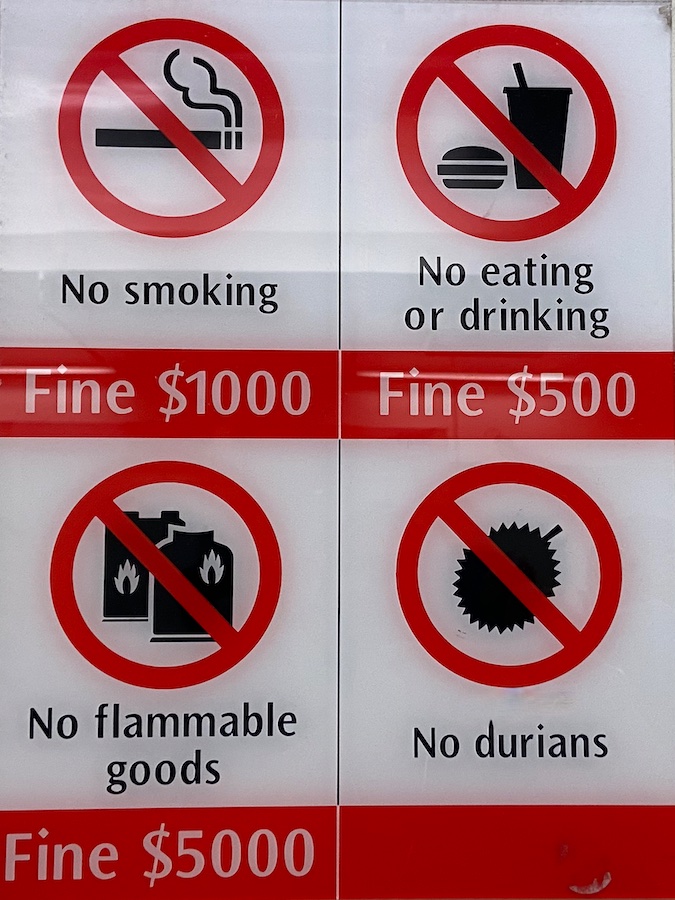
It is rarely found in hotels or restaurants and forbidden in airports and public transport systems.
Very rarely are fresh durian exported so you are unlikely to come across any outside of their native countries. The high demand for durian in China has led to the development of processes to freeze the flesh to enable transportation so they might become more widely available.
 Janet's Journal
Leave a comment