
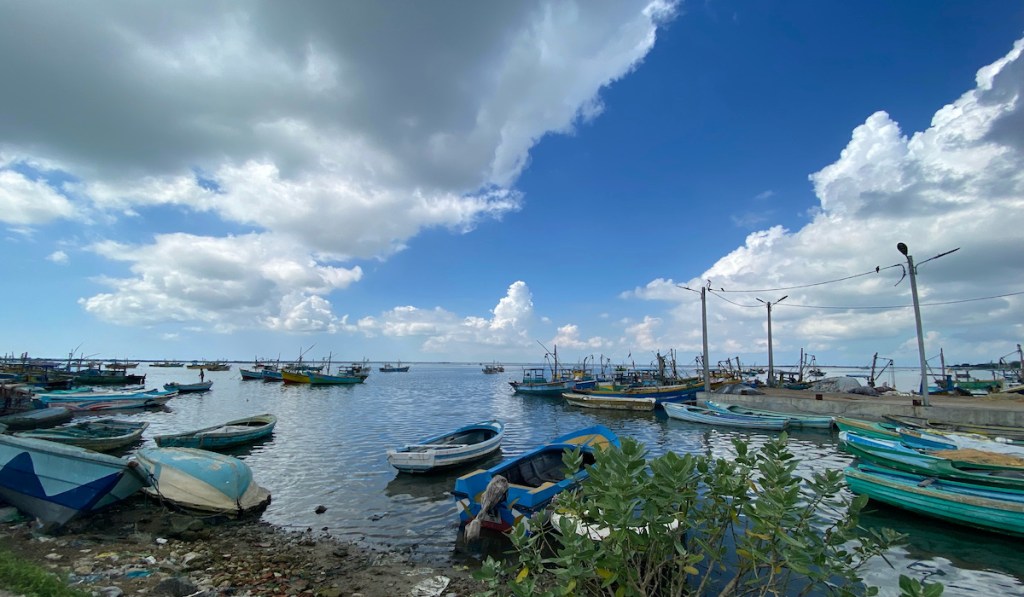
On the northern tip of Sri Lanka sits the Jaffna peninsula and archipelago of eight islands. A low lying area, almost an island itself only connected to the rest of the country by two roads.
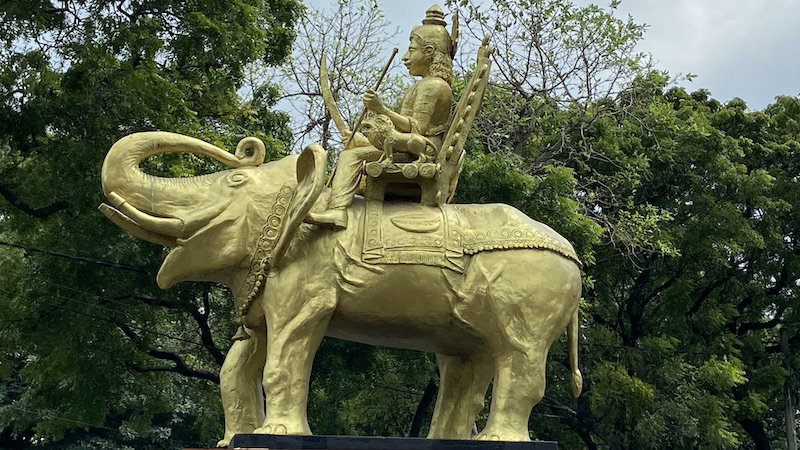
One is a long, narrow isthmus known as Elephant Pass, named for the elephants that were driven through the shallow waters on their way to export. The other is a modern road over a spectacular bridge leading onto an artificial causeway across the Indian Ocean linking the area to Pooneryn.

Less than 55 kilometres from India across the Palk Strait, the area was invaded several times by people from South India, eventually becoming a Tamil kingdom in the 14th century with important trading ports. The arrival of the Portuguese in the early 16th century saw the end of the monarchy and the destruction of many ancient Hindu temples.
The Dutch were the next colonising power, they were more tolerant of native customs and encouraged the local merchants to participate in trade. Finally, the British took control in 1795 until independence in 1948.
The peninsular suffered badly during the thirty year civil war being captured in turn by the LTTE, the Indian Peace Keeping Force and finally the Sri Lankan Government forces. Few historical buildings remained untouched by shelling. The tsunami in 2004 compounded the area’s misery with more than 2,600 people killed and thousands more injured, missing or made homeless.
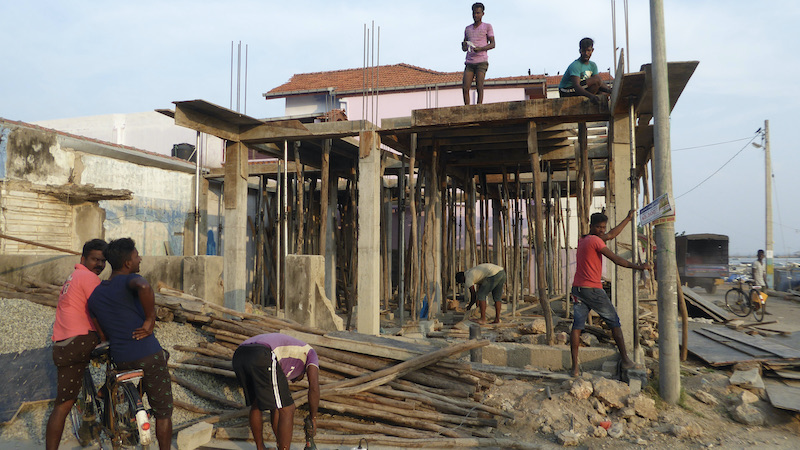
The regeneration of the peninsular since the end of the war has seen the railway link reopen, duelling of the track is in progress and two new luxury trains purchased. Just 16 kilometres north of the city is a small international airport based at the Sri Lankan Airforce Base at Palay, near Kankesanthurai.

The predominantly Tamil population give the area a definite feel of Southern India. Hindu kovils greatly out number Christian churches and Buddhist temples. Biriyana is more common than rice and curry. The spoken and written language is Tamil with little English or Sinhala in evidence.

The landscape is a mixture of sandy scrub and the tall palmyrah palms. Farmers developed techniques of well irrigation using the reserves of groundwater to enable cultivation of rice, tobacco, manioc and other crops.
Fishing is a major industry, the shallow lagoon waters providing prawns and crabs in abundance.
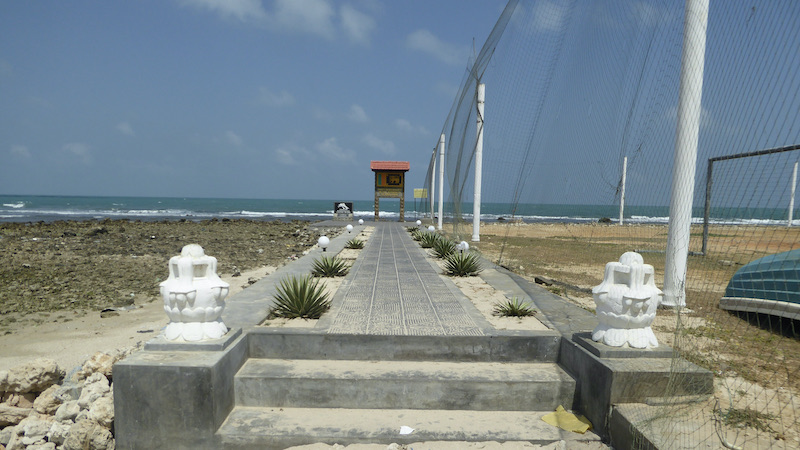
The most northerly point of the island is Sakkotai Point protected by the lighthouse at nearby Point Pedro.
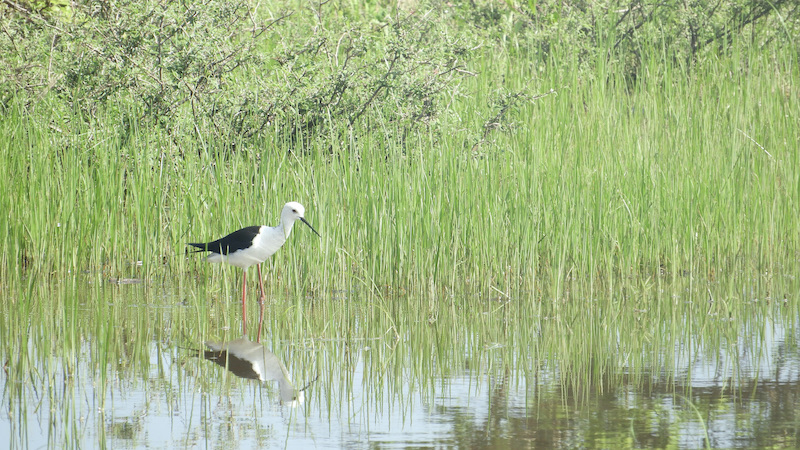
To the south east is Chundikulam Bird Reserve, a large wetland area. Going west you can catch ferries to the island of Delft, equidistant to India and Sri Lank
 Janet's Journal
Leave a comment