
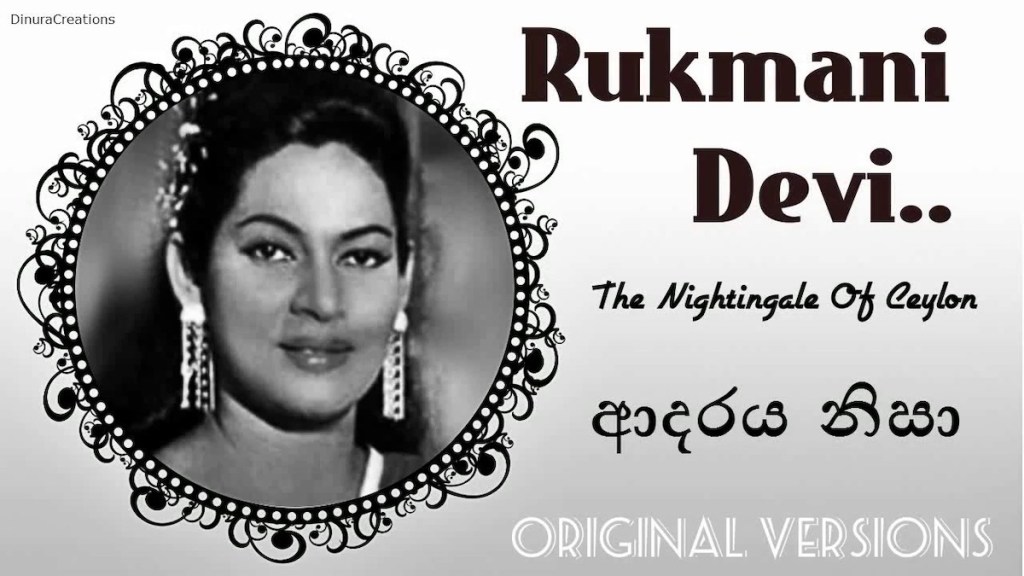
For those of you who have asked here is a short piece about Rukmani Devi.
Daisy Rasammah Daniels was born on 15 January 1923 in Nuwara Eliya, her father worked on a plantation and her mother was a teacher. Daisy went to school in Colombo, then Wellawatte.
As a little girl she had a natural talent for singing, dancing and acting and was selected to perform in school productions and at just 12 years old was given the lead role on the main stage.
In the late ‘30s early ‘40s the Minerva Drama Troupe was formed, and she was invited to join them, which she did playing the lead role in several productions, acting and singing.
Recording contracts launched her singing career and her unique voice captured hearts and earned her the nickname of the Nightingale of Sri Lanka. She changed her name to Rukmani Devi around this time.
Rukmani was the the first film heroine and first playback singer in Sinhala cinema.
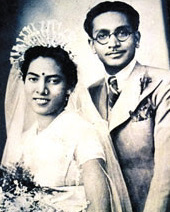
During her time with the Minerva Dramatic Club she met and married Eddie Jayamanne, also a popular actor, dramatist and singer. They made their home in Jaya Ruk, Angurukaramulla, Negombo.
Her unique voice attracted many music directors, as her singing career moved from the stage to the silver screen. Joining Rupasinghe Master’s band as a regular singer, she faced some challenges. She had not studied Hindustani classical music properly, and she did not know how to read or write Sinhala and she used to write it all down in English.
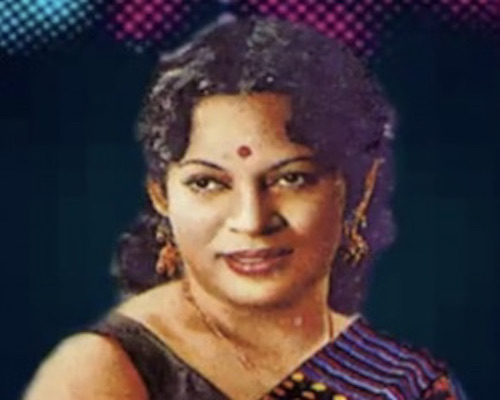
The popular play ‘Broken Promise’ (Kadawunu Poronduwa), was adapted into a film by B. A. W. Jayamanne (her brother in law). This was the first Sinhala film and was screened on 21 January 1947 with Rukmani in the leading role. Her film career spread over a period of more than three decades with her starring in over 100 films.
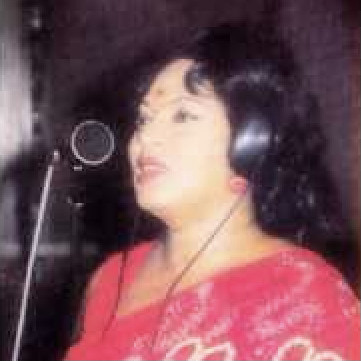
In the mid sixties she joined the Sinhala calypso music group, ‘Los Cabelleros’ led by late Neville Fernando. Rukmani Devi was also featured prominently on Radio Ceylon, the oldest radio station in South Asia.
Tragically, driving back to Negombo from performing in a concert in Matara on 28 October 1978, her vehicle was in a collision with a water bowser near Ja Ela. It proved to be a fatal accident.
A statue was erected at the Kanuwana Junction in her memory and the road where she lived in Negombo was renamed Rukmani Devi Mawatha. Her family also gave a piece of land which was turned into Rukmani Devi Park, now renamed as Rajapaksa Park
 Janet's Journal
Leave a comment