
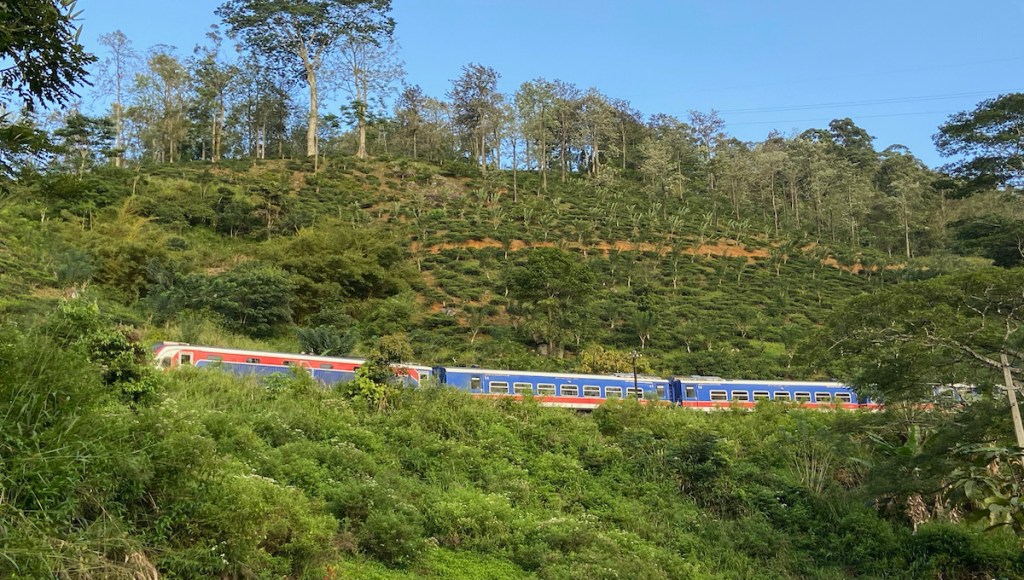
The famous, much loved Blue Train is now red, white and blue. The old rolling stock has been replaced by newer Chinese trains.
This iconic service runs from Colombo Fort Station to Badulla, a distance of just under 295 kilometres, climbing from sea level to its highest point of 1,897.5 metres (6,225 feet) at Pattipola and taking anything from 9 ½ to 10 ½ hours for the whole trip.

Train number 1015, the Udarata Menike, leaves Colombo at 8.30 every morning. The first three hours this express train reaches speeds of just over 80kph as it crosses through the paddy fields, towns and villages. Then at Rambukkana it begins its steep climb into the hills.

If you are in 2nd or 3rd class you can have the big windows wide open and get a refreshing breeze blowing in. 1st class is air conditioned, so the windows stay firmly closed.
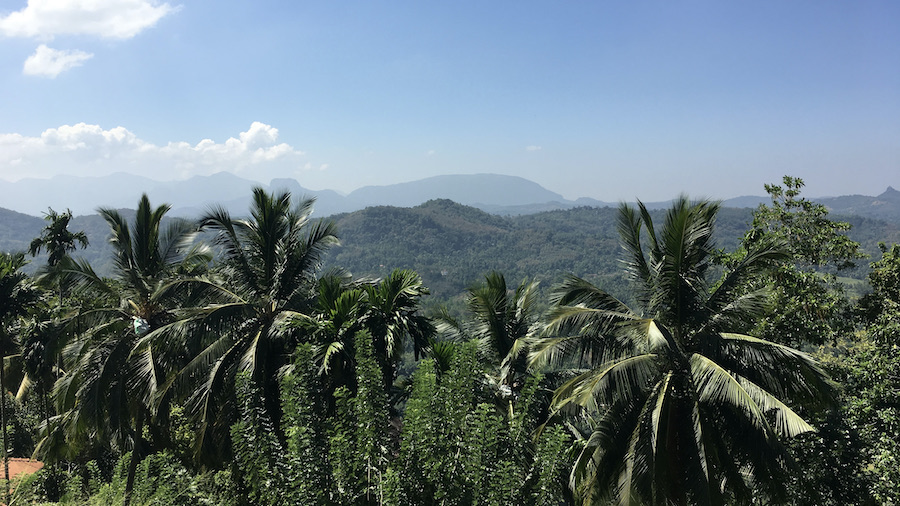
Heading now to Kandy the journey and scenery change dramatically. The track hugs the hillside as it winds its way ever higher and the speed drops to 30-35kph.

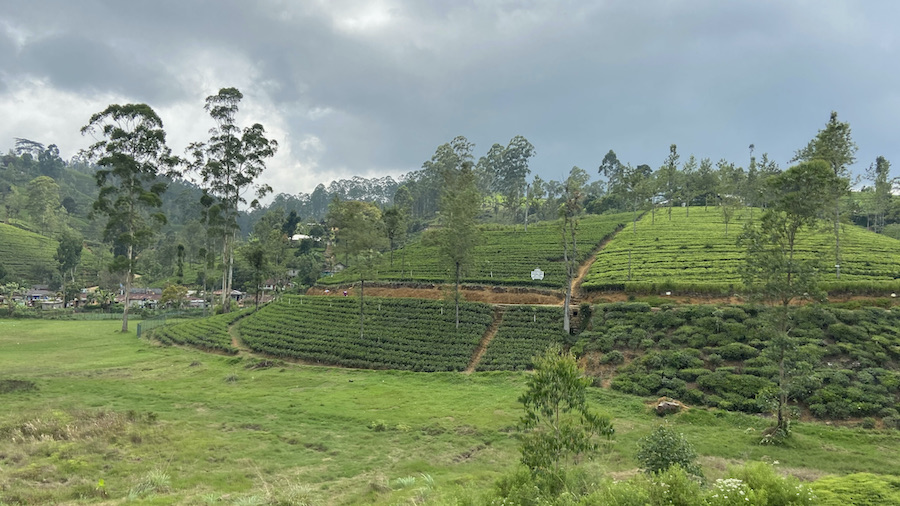
Hatton is the next main station, dropping off point for Adam’s Peak (Sri Pada). The slopes are now the rich emerald green of the tea estates.
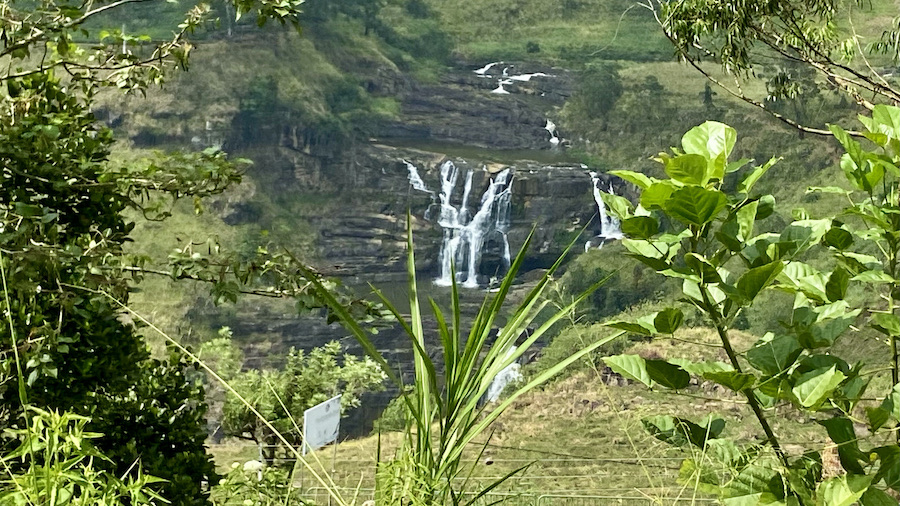
After Kotagala station look out on the left hand side to see the beautiful St Clair’s Falls and the St Clair’s Tea Factory.
A man with a giant thermos flask of the hot, milky, sweet tea beloved of all Sri Lankans periodically makes his way through the train. Vendors go back and forth with spicy fish buns, samosas and various other savoury snacks. You would be well advised to take plenty of water with you and a few snacks of your own choosing.

Nan Oya, the station for Nuwara Eliya is the next main stop. A tapestry of market gardens lines the track on both sides. Being cooler up here this is the area that grows so many of the vegetables for the island.

Next the train weaves slowly through the beautiful Horton Plains National Park. Fourteen tunnels were cut through the rocks just on this section.

Just when you thought the views couldn’t get any better the vista opens up and you can see for miles down across the southern plains from the right hand windows and from the left side the hazy blue mountains north of Haputale.

Huge forests tall trees reaching from the valley floor to the sky signal the approach to Diyatalawa, the big garrison town. More forests then suddenly you look right down across a valley to Bandarawella on the hills the other side.

Always bear in mind that the weather changes very quickly in the hills and if there is a sudden rain shower you need to close the window very quickly to avoid getting soaked.
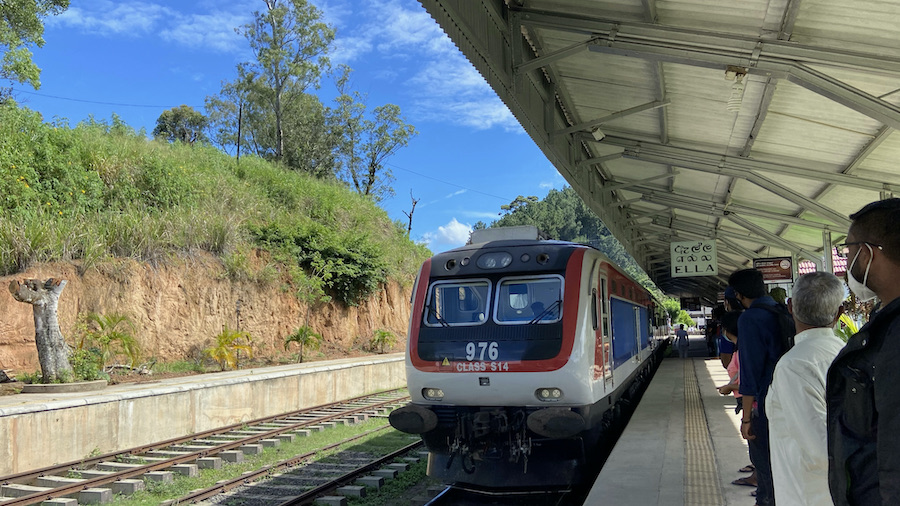
A few more small stations and the train ambles in the little town of Ella. A major stopping point on the tourist trail. After Ella is the famous Nine Arch Bridge, difficult to see the bridge when you are on the train, but you will know by the crowds of people standing by the track waving and taking photographs that you are there.
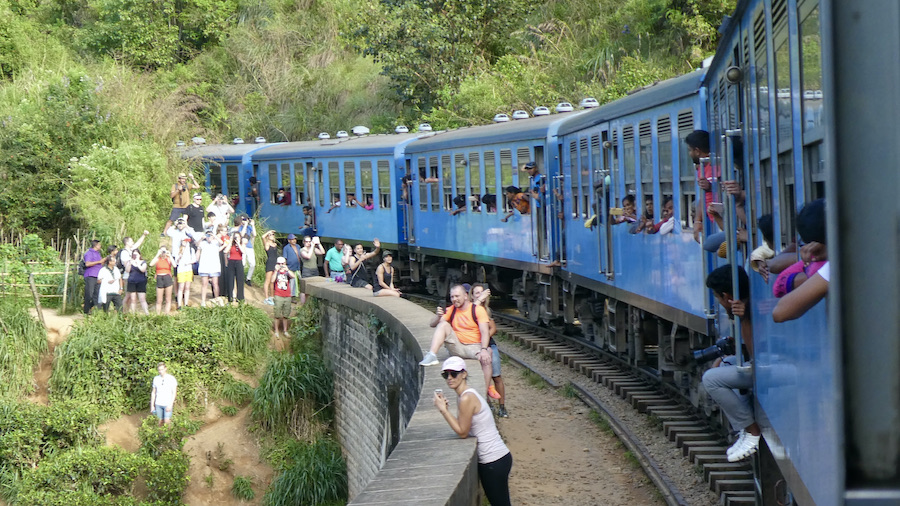
Demodara is the next station, built during colonial times for the transportation of tea from Uva Region to Colombo. When this section of the line was being built it presented a major problem for the engineers. The maximum inclination allowed by the Ceylon Government Railway was 1 foot per 44 feet, this proved impossible to work out in the slopes of Demodara. Finally, a solution was found in the guise of the Demodara Loop
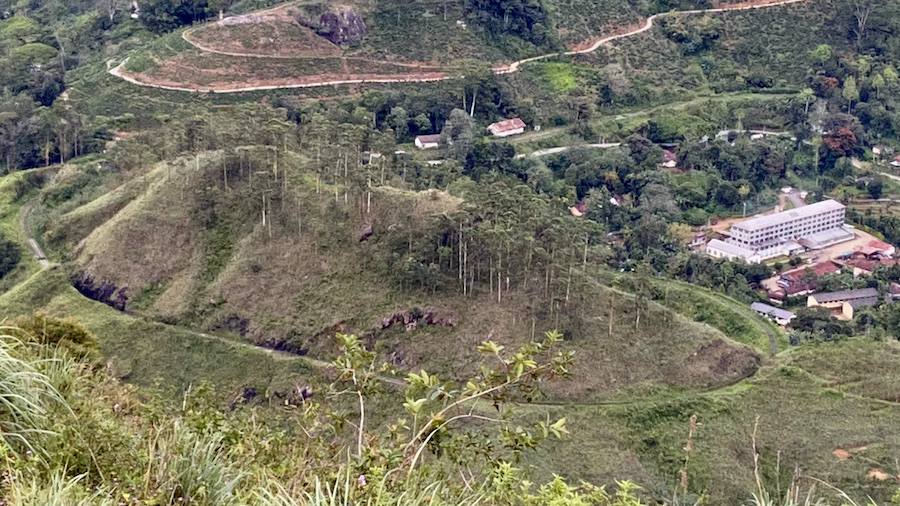
The line travels around a spiral loop beneath itself and appears out of a tunnel precisely underneath the station. It is the only spiral loop in the world where the tunnel lies under the station.
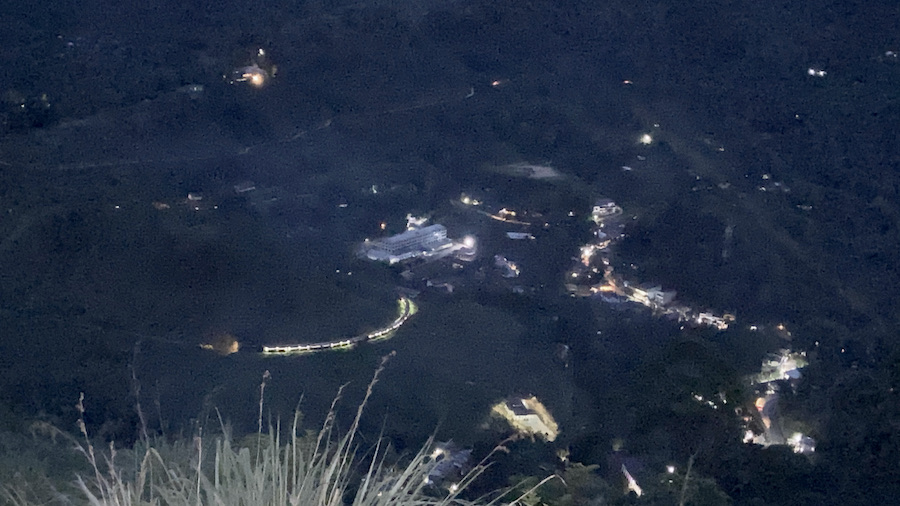
At long last the train arrives at the end of the Main Line in Badulla.
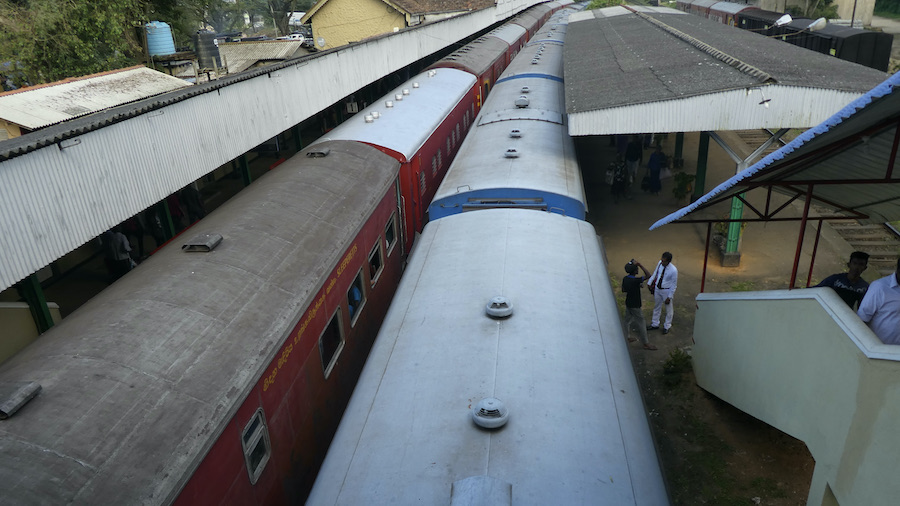
Always travel in 2nd or 3rd class reserved carriages then you are guaranteed a seat. If you want air conditioning instead of fresh air then 1st class is for you. This train is always very busy, and nobody is ever turned away so if you are not in a reserved carriage expect to have to stand in a crowded compartment for most of the journey. The interconnecting doors to the reserved carriages are locked during the journey so nobody can walk through the train unless accompanied by the Guard.

Rs750, less than £3.00 will secure you a 2nd class ticket and seat for the whole journey if bought at the station. It will cost at least double this when buying from ticket agencies – but hey, it’s still a bargain. The Podi Menika does the return trip. There is also a night train and you can book a two berth cabin but the whole journey will be in the dark!
The first section of the line was completed in 1864, new stages were built at regular intervals until the final section to Badulla was opened in 1924. Steam trains worked the line until 1953.
 Janet's Journal
Leave a comment