
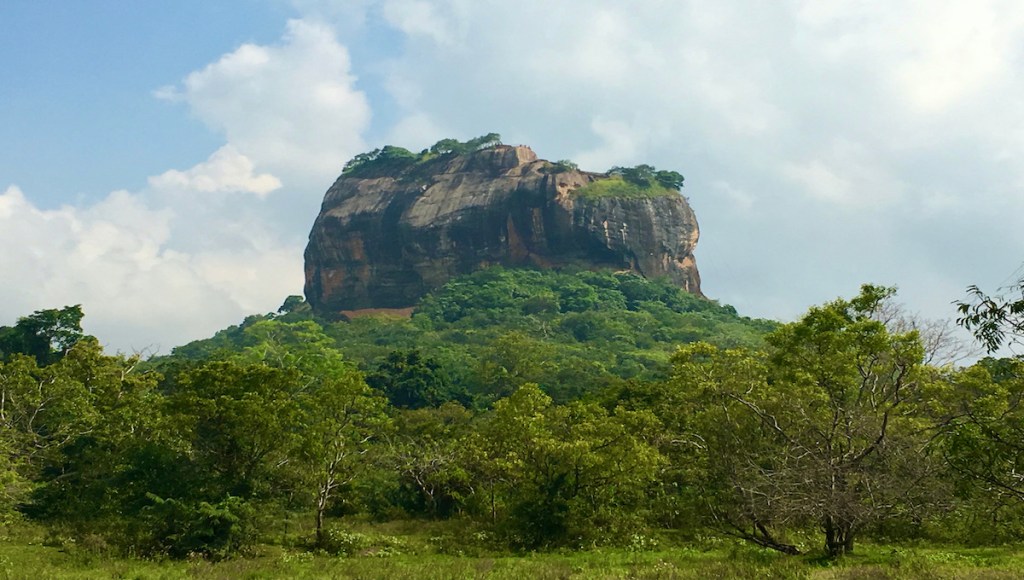
Sigiriya rock towers 200 metres above the surrounding jungle. Standing in the centre of the island, it was formed from magna of an extinct volcano.
Possibly the most visited site in Sri Lanka there are signs of habitation there more than five thousand years ago.
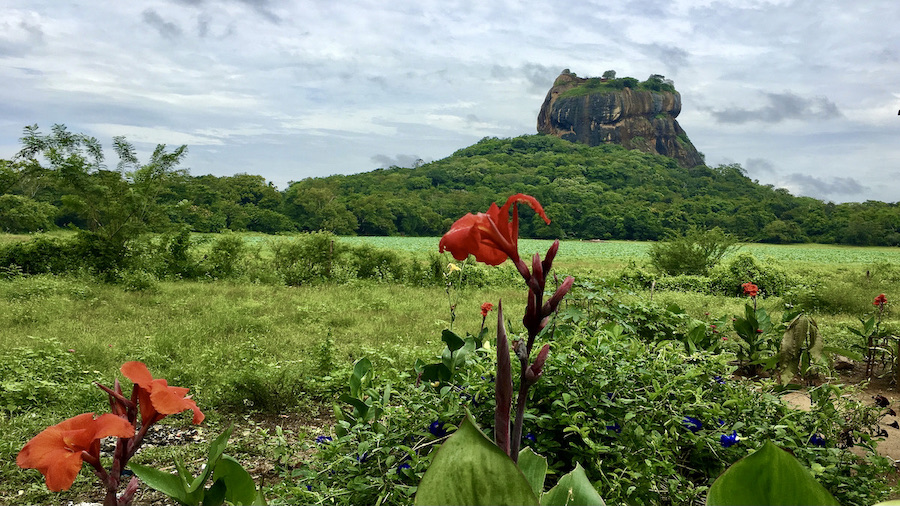
According to legend in 477AD King Dhatusena was killed by one of his sons, Kasyapa, and the rightful heir, Prince Moggallana fled for his life.
King Kasayapa fearful of Moggallana returning and reclaiming the throne chose the rock for his new capital, building a palace and fortress on the flat top and landscaped the gardens around the base.
After eighteen years Moggallana returned at the head of an army to do battle and claim the throne.
Kasayapa came down from the rock to do battle. Folklore tells that the king’s battle elephant changed course, the army misinterpreted this and thinking the king was retreating abandoned him to his fate. Being too proud to surrender he took his own life by falling on his sword.
The rock became home to a Buddhist community before being abandoned again, waiting until 1831 when a Major Jonathan Forbes discovered it.
Antiquarians started working on the site. Then in 1982 the Cultural Triangle Project was launched, and archaeological work started in earnest on the site.
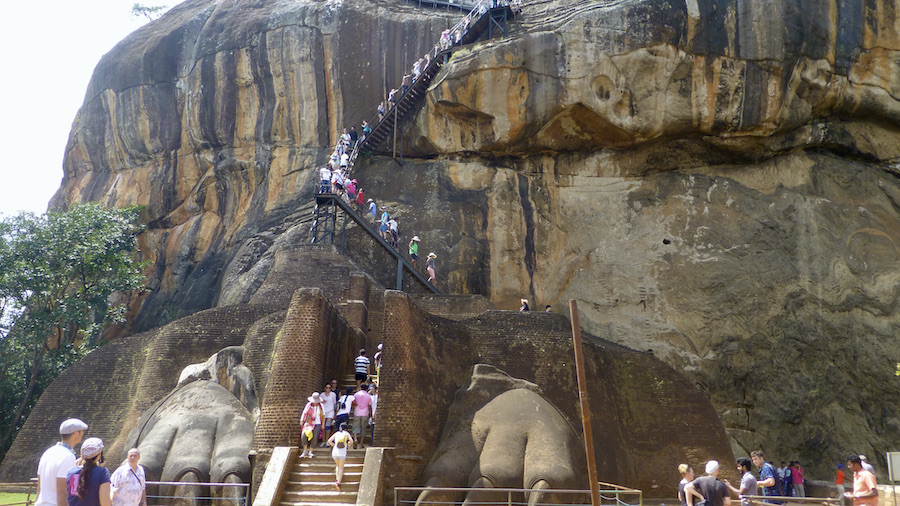
The main feature of the rock is the towering Lion Gate. The Lion was a huge figure towering against the granite cliff. The open mouth of the Lion leading to the staircase built of bricks and timber. Now all that remains of this majestic structure are the two paws and the masonry walls surrounding it. The cuts and groves in the rock face still give an impression of a lion figure.
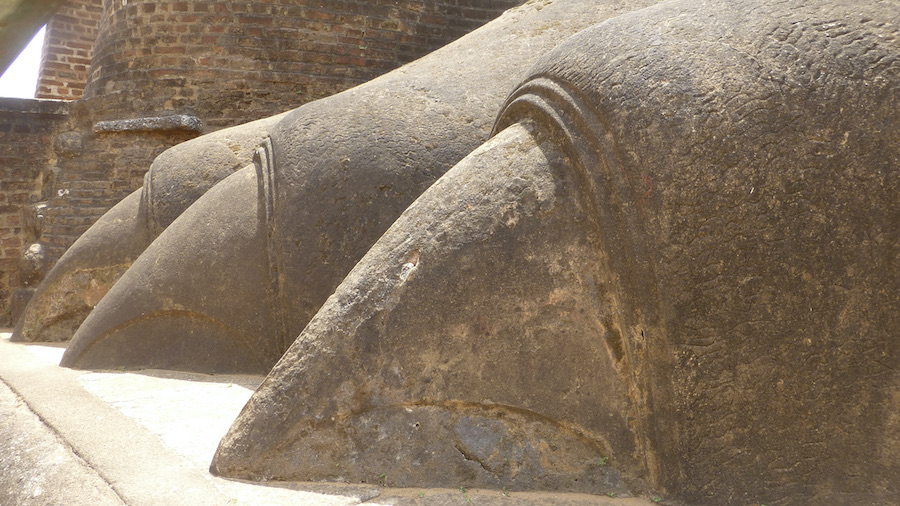
It is approximately 1,200 steps to the top climbing on a metal stairway pegged into the rock’s side. The only chance for a rest is at the Lion‘s Paws about halfway up, here there are signs warning you to be quiet to avoid the attention of the bees which can swarm and sting.
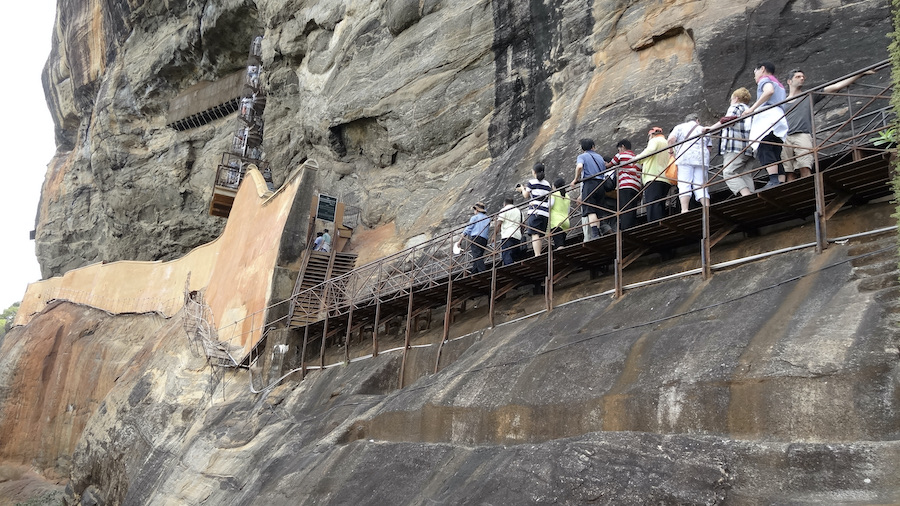
As you make the climb you will see the Mirror Wall built onto the side of the rock following its contours. A special plaster of limestone, egg white & honey was applied to the masonry, it was so well polished that the King could see himself as he walked alongside. Graffiti going back to the 8th century is scribbled on it, fortunately this is now banned.
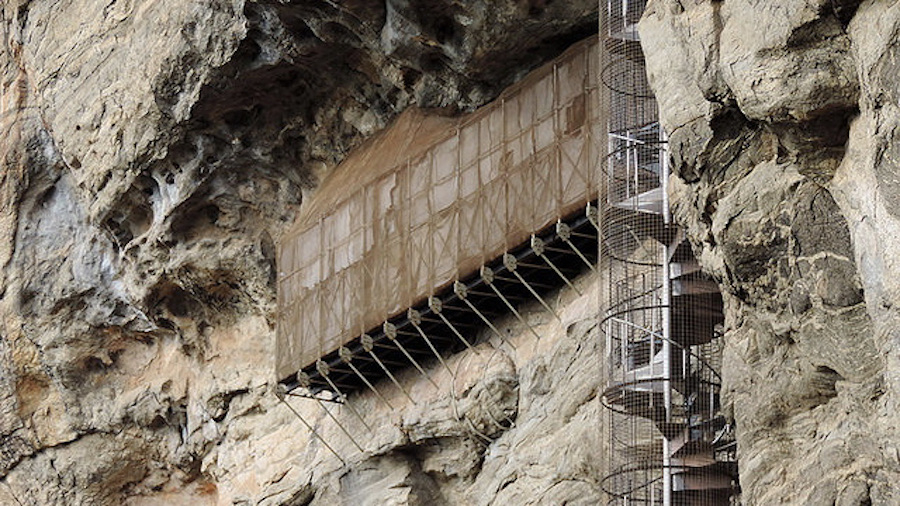
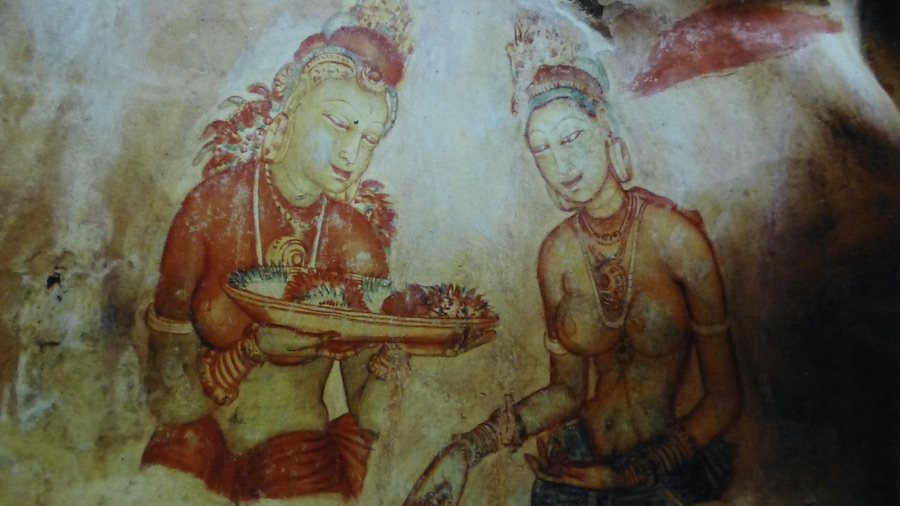
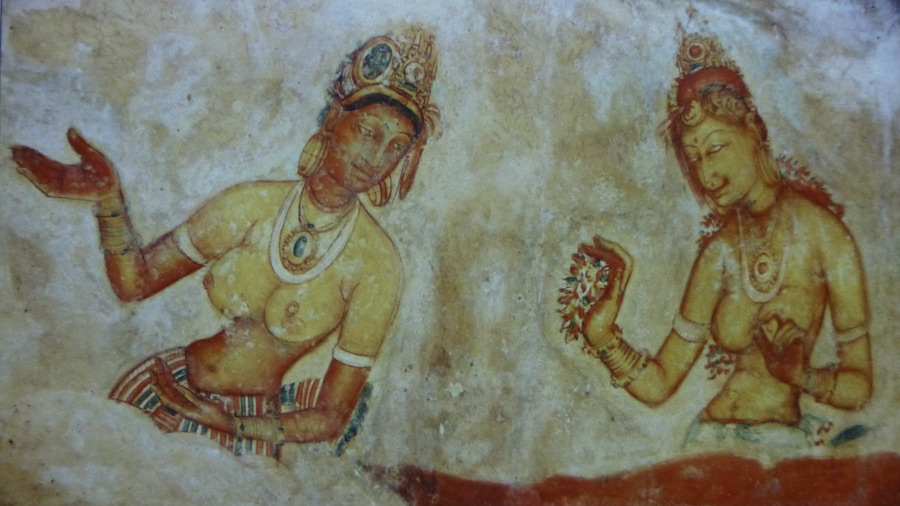
It is thought that the whole western face of the rock was covered in frescoes. Now there are just two sections remaining.
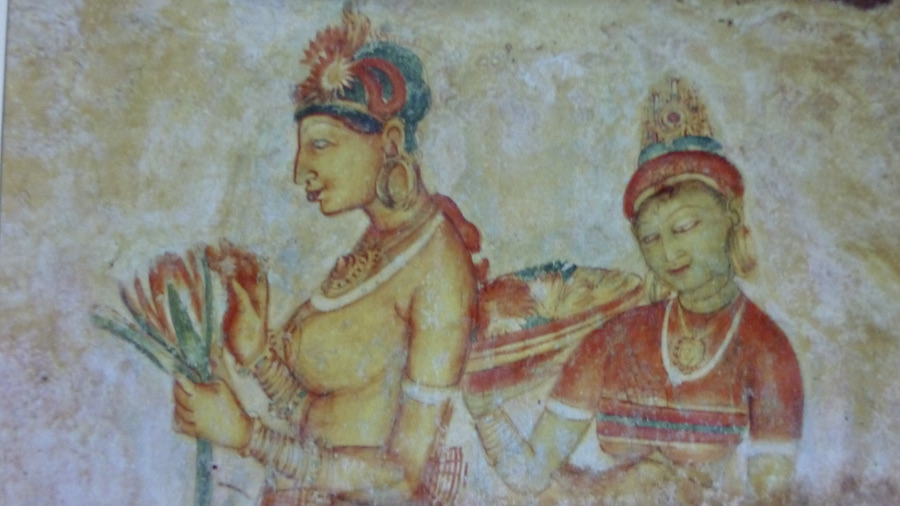
The ladies depicted are Apsaras, spirits of the clouds and water. Photographing them is strictly prohibited – just think of the security guard who has to climb up every morning to enforce this!
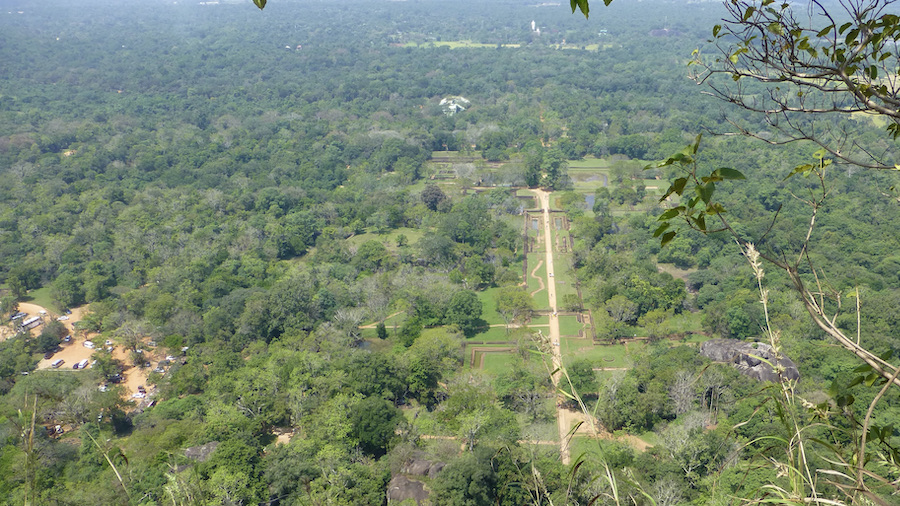
When you reach the top, the views are breathtaking, including views of the formal terraced gardens and the countryside for miles around.
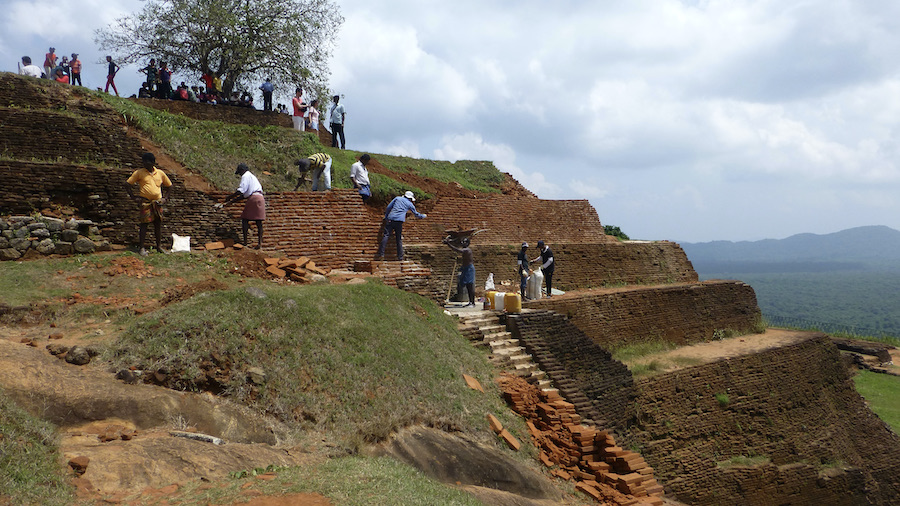
Then all you have to do is climb back down! The route then takes you through the boulder and water gardens. The gardens are amongst the oldest landscaped gardens in the world. It is lovely to walk through the different sections. They are divided into three distinct but linked forms; water gardens, cave and boulder gardens, and the terraced gardens all of which are well maintained.

There is a large car park, then a short walk past a café before you get to the ticket office. US$30 entrance fee to climb the rock, visit the museum and wander through the gardens. Beware of all the people offering to guide you or help you up the steps. They are touting for business. You can’t get lost!
Make sure you have comfortable footwear, sunscreen, hat and plenty of water to drink. The earlier in the morning you can set off the better.
 Janet's Journal
Leave a comment