
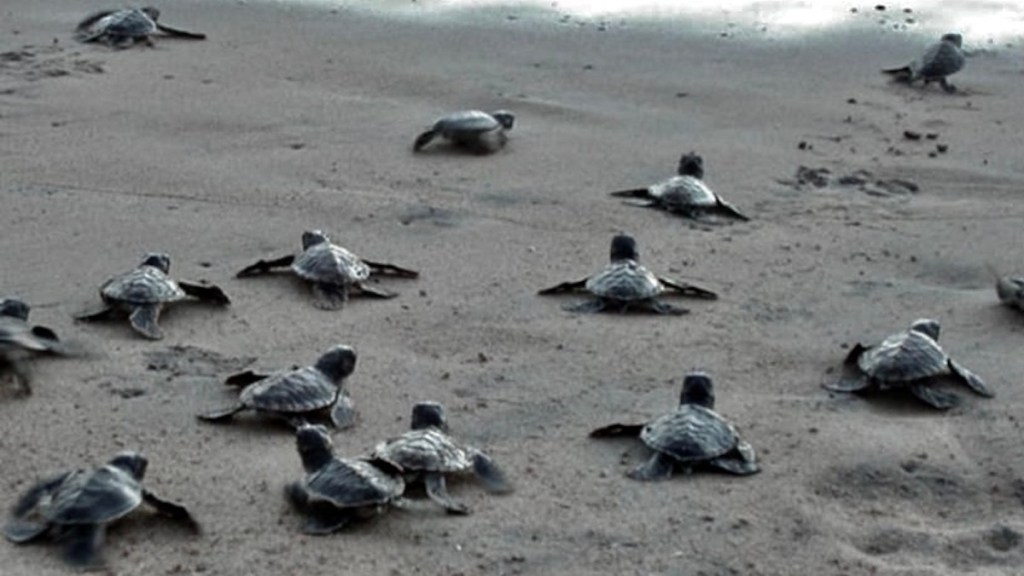
There are several different species of sea turtles found around the Sri Lanka coast. Most are now endangered having been extensively hunted for food, hide and shell. Many turtles also get injured by boat propellers or being caught up in fisherman’s nets.
In the south and south west of the island there are now many different conservation projects and hatcheries working to try and save these beautiful marine animals. These are two of the projects I have visited.

Rekawa Beach, Tangalle
On my last night in the south, I visited the Turtle Watch on Rekawa Beach. Five of the seven species of turtles found in Sri Lanka visit this beach to lay their eggs. The local villagers, who formerly would have stolen and sold the eggs, have formed a group of dedicated volunteers to protect the turtles on their beach. Now the Visitor Centre provides a valuable source of income for the village as well as educating people on the vital conservation work being done.
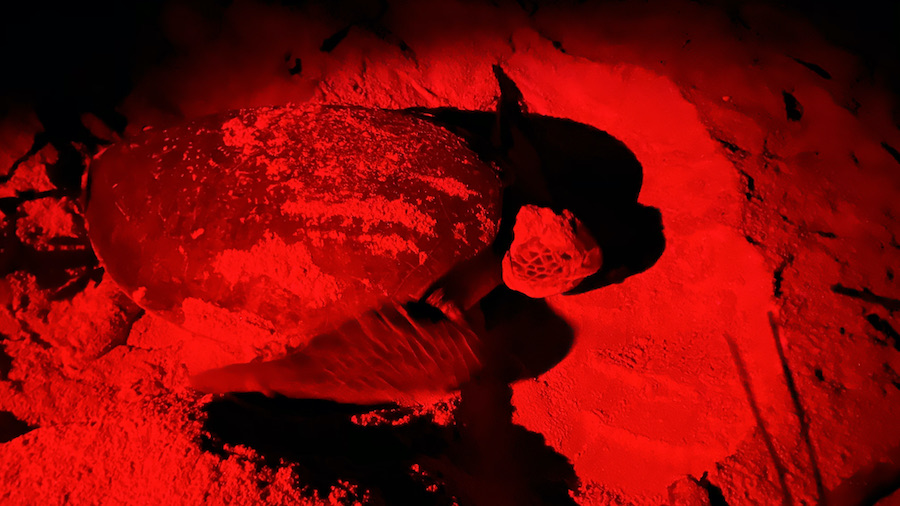
The guide arrived at 8pm and led the way down to the beach, once there, no torches were allowed, only his infrared light.
The beach is patrolled every day and night by small teams of volunteers who keep watch to make sure nobody disturbs the female turtles when they come out of the sea and up the beach to make nests and lay their eggs in the soft sand.
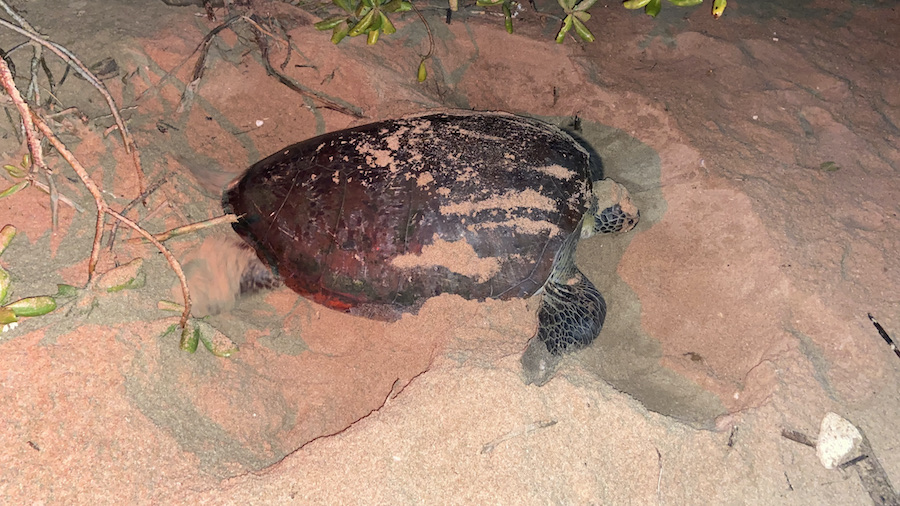
The nests then have to be closely monitored to protect the eggs from poachers and predators. Then when the time is right the eggs crack open and a new generation heads for the seas.

He located a turtle laying her eggs in a nest dug deep into the sand. For another hour she carefully buried the eggs and hid the site by gradually moving away and moving sand, then she turned and made her way down the beach into the sea and was gone.
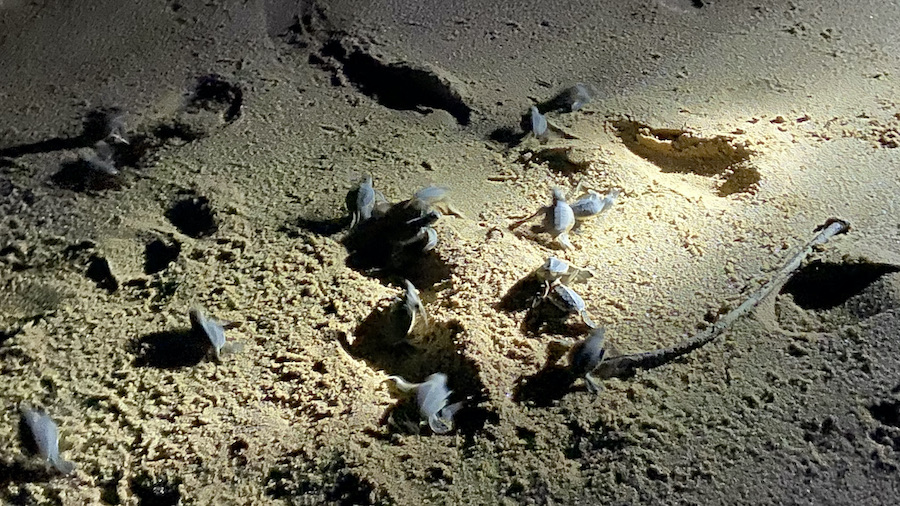
In the meantime, a patrol had located another nest where the eggs were just starting to hatch. Hundreds of tiny little turtles started to emerge then start their dash across the sand to the sea, and then they were gone too. A very special memory!
Victor Hasselblad Sea Turtle Research and Conservation Centre, Kosgoda
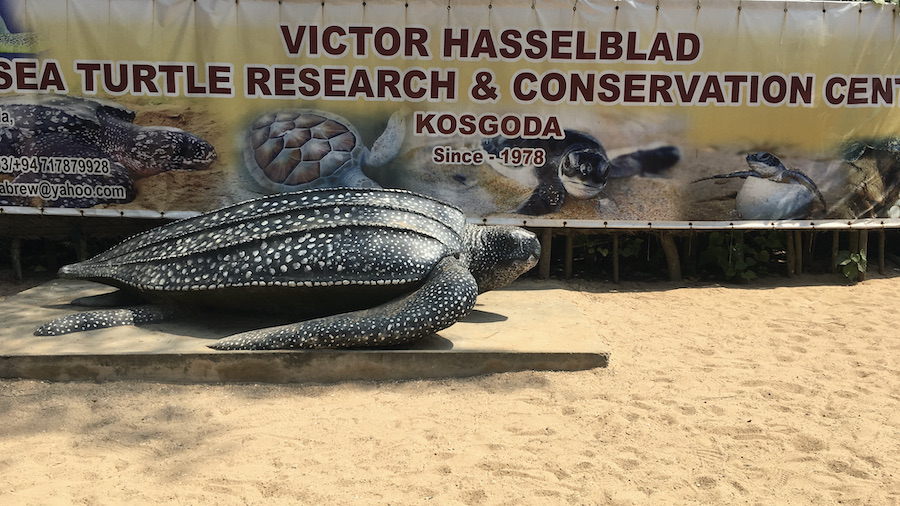
Established in 1988 this project uses a different approach. The main aim of the project is to monitor local sea turtle activity and conserve the local nesting sites. By opening to the public, they aim to make people more aware of how endangered these beautiful creatures are.

Monitoring the beach at all times mean they can find or buy clutches of eggs which are then carefully incubated in a large hatchery.
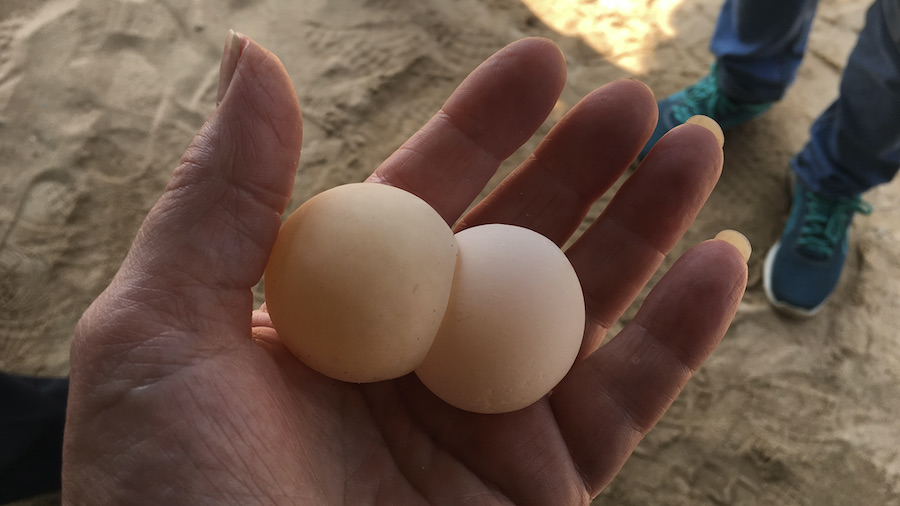
Several large tanks are used for hatchlings which are kept released onto the beach in the night at different times. Of the thousands of tiny hatchings that get to the sea only a very few will survive to adulthood. This makes these projects so valuable to the survival of turtles.
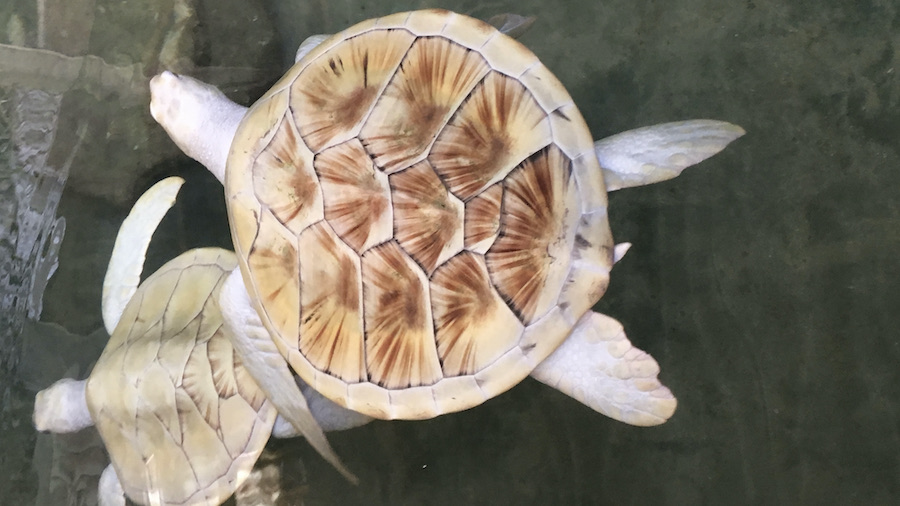
There are also tanks where injured, blind or albino turtles are looked after, they would, otherwise, have little chance of survival in the wild.
Green Sea Turtle -the most common. Their name refers to the colour of the fat found under their upper shell, which is unfortunately used to make turtle soup. Luckily this practice is less common today. The young are mainly carnivorous. Adults however are herbivorous, feeding only on marine vegetation with the help of their finely serrated jaws.They grow to a maximum length of 1m and can weigh 250kg. Adult females lay between 120-140 eggs at a time. Green Turtles are often found on the beach at night. They tend to nest only every few years but when they do they lay several times in one season.
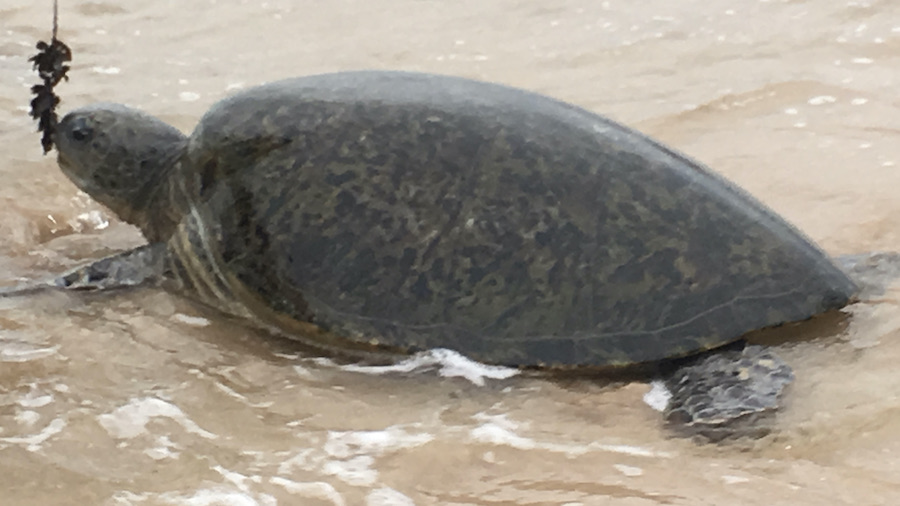
Swimming in the sea in Hikkaduwa I came slightly closer than I intended to a large Green Sea Turtle, although not aggressive they seem very big and will bite if threatened.
Hawksbill Turtle – Critically endangered it is rarer than the Green Turtle and much smaller reaching a maximum length of 90cm and weighing 50-70kg. It gets its name from its narrow head and bird-like beak, which is used to catch animals hiding in small crevices.
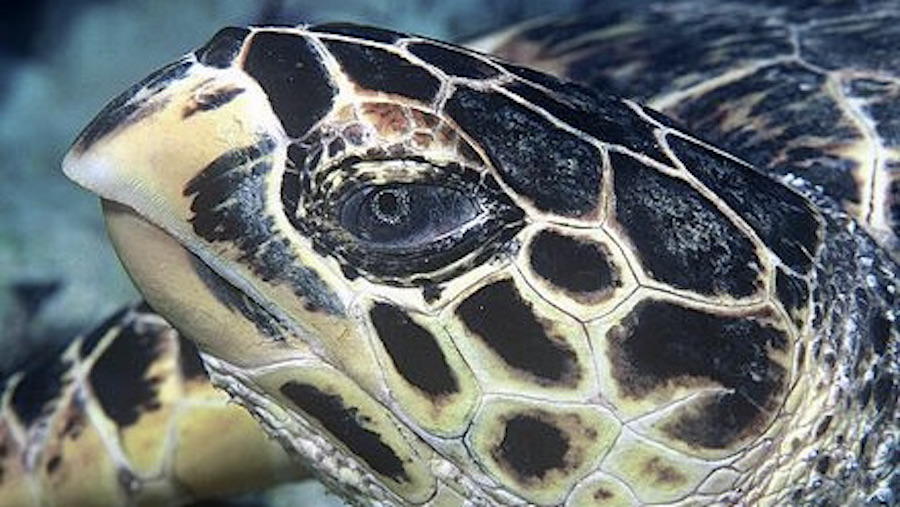
It is a regular visitor to Sri Lankan waters. Although one of the smaller species of sea turtle, it is renowned for its beautiful shell, which is made up of 13 symmetrical pieces and is very colourful. Sadly, this has made it a target for traders – Hawksbill Turtle shell is the sole source of commercial tortoiseshell.
Loggerhead Turtle – Rare in Sri Lanka. They are usually red and brown in colour and as its name suggests, is easily identifiable because of its large head!
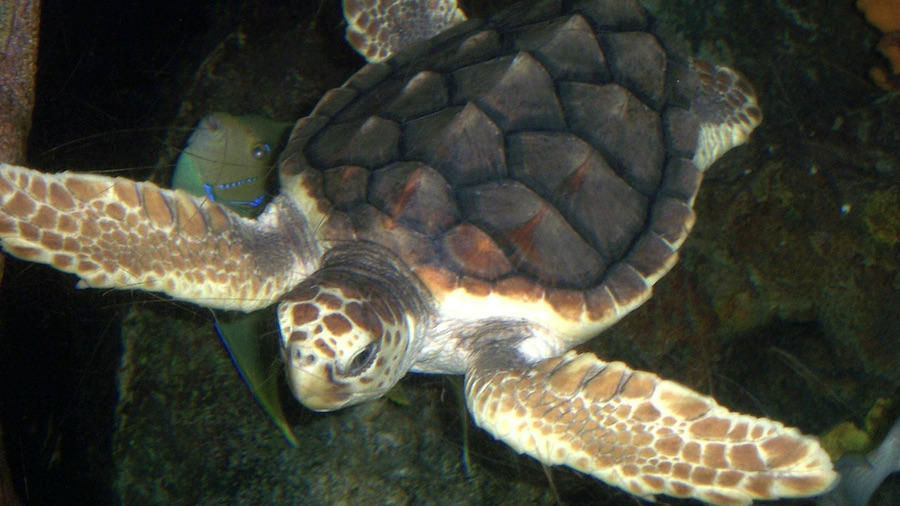
It grows to a maximum size of 1m and weighs 170-200kg. They are primarily carnivores and its large muscular jaws are ideal for crushing molluscs and crustaceans.
Olive Ridley Turtle – this turtle is endangered and has been heavily hunted in the past for their meat and hide. The smallest of the sea turtles and one of the two species of ridley turtle, the Olive Ridley reaches a maximum size of 65cm and weighs 35-45kg.
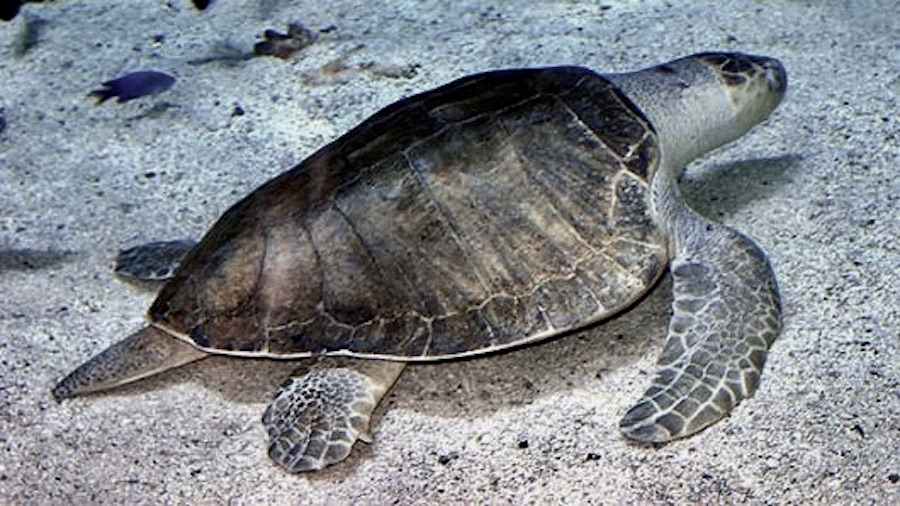
It is named after its olive/rust coloured shell. They nest annually, and many lay their eggs on Kosgoda Beach, depositing more than 150 at one time. They are omnivores, eating crustaceans, fish and some marine vegetation.
Leatherback Turtle – this critically endangered turtle is the largest of the 5 species and is a rare find in Sri Lanka. It remains on the brink of extinction.
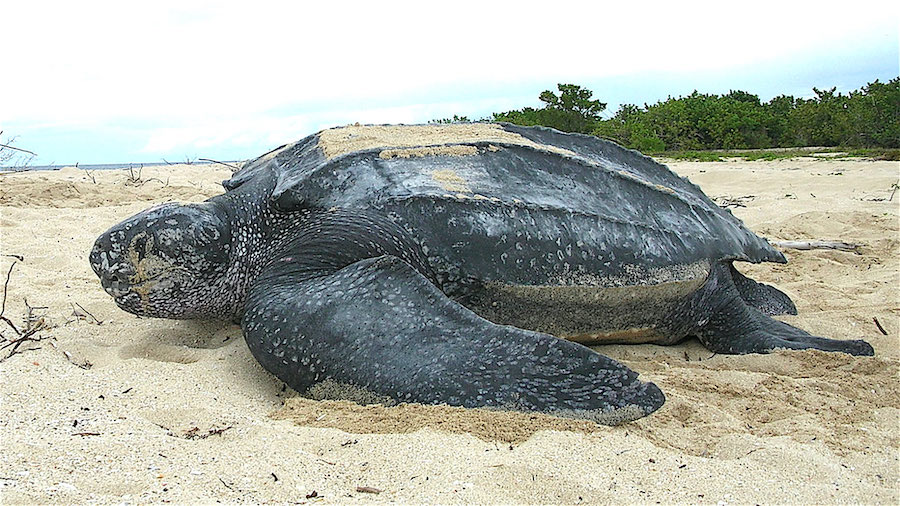
It is easily identifiable due to its long front flippers and unique black and white stripy shell – its carapace is in fact a layer of thin, tough, rubbery skin peppered with thousands of bone plates giving it a leathery appearance. It is in fact the only sea turtle that lacks a hard shell. They also have a unique blood circulatory system for a cold-blooded reptile which means they are able to keep their blood warm even in cold waters using metabolic heat from their muscle activity.
 Janet's Journal
Leave a comment